
Will Strait of Hormuz Shipping Reach Normal Levels by June 15, 2026?
This market will resolve to “Yes” if IMF Portwatch publishes a 7-day moving average of transit calls (“Arrivals of Ships”) for the Strait of Hormuz equal to or…
Strait of Hormuz traffic returns to normal by June 15?
Strait of Hormuz traffic returns to normal by June 15?
Price, depth and useful dates
An editorial view of the signal: what leads, how much activity is behind it, and which date carries the risk.
Archived market
What is happening now
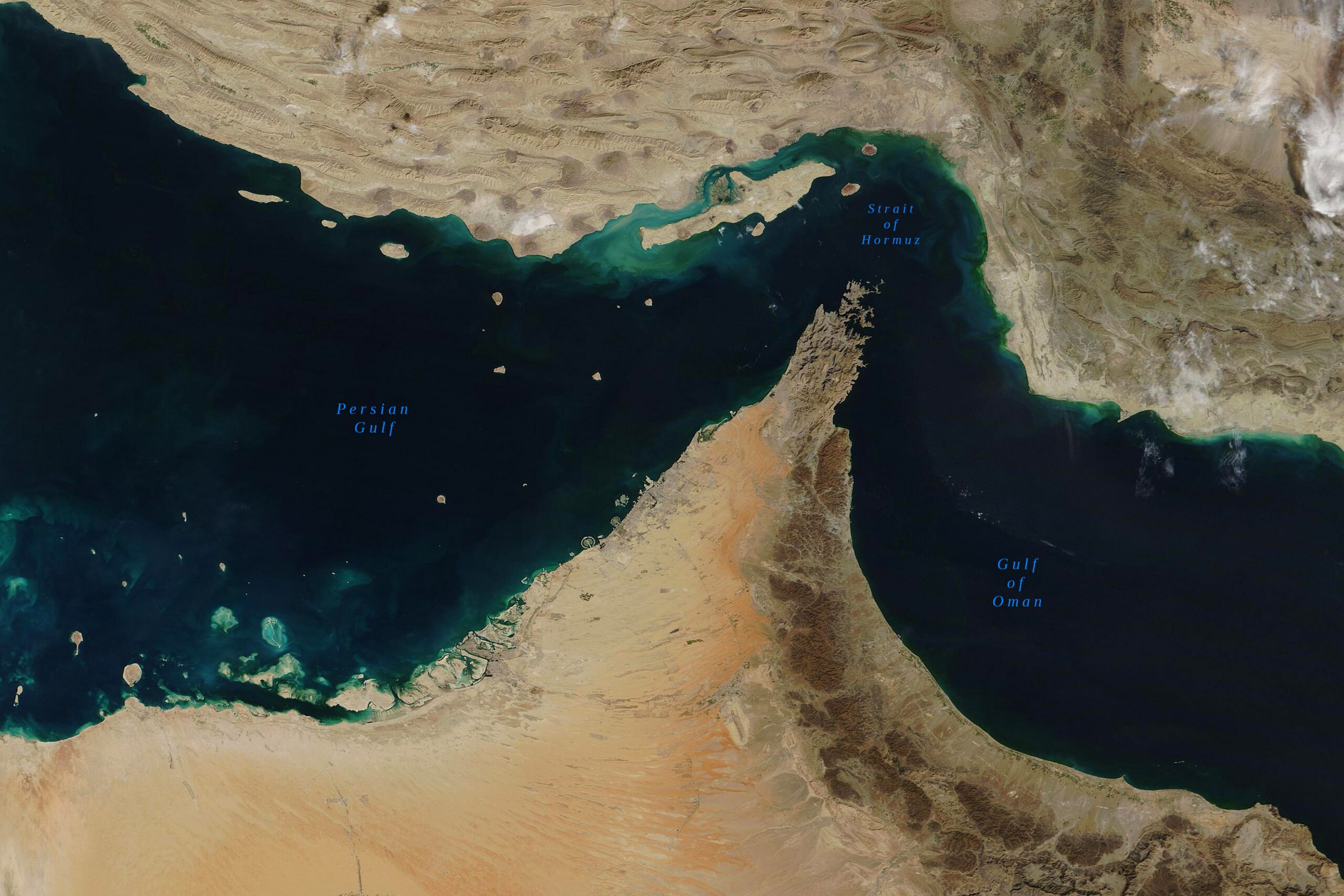
The Strait of Hormuz remains severely disrupted following the US-Iran conflict that began on February 28, 2026. Iran has effectively closed this critical maritime chokepoint, which handles approximately 20% of global oil and LNG supplies. Despite recent diplomatic efforts, commercial shipping through the strait has not returned to pre-war levels. Ship operators face significant risks, including potential sanctions violations if coordinating with Iranian authorities, and concerns about future conflict resumption. The UAE is accelerating construction of alternative pipelines to bypass Hormuz, scheduled for 2027 operation, but these cannot fully compensate for the strait’s capacity.
How the market is structured
This is a binary market with two possible outcomes: “Yes” (currently priced at 1.3%) or “No” (98.8%). The market will resolve to “Yes” if IMF Portwatch publishes a 7-day moving average of transit calls for the Strait of Hormuz equal to or above 60 for any date between market creation and June 15, 2026. “Normal” traffic is defined as this 7-day moving average threshold. Daily transit calls include container ships, dry bulk, roll-on/roll-off vessels, general cargo, and tankers. The resolution is based solely on IMF Portwatch data, with specific provisions for data revisions and integrity issues.
Path to the leading outcome
The “No” outcome (98.8% probability) is heavily favored because current traffic levels remain significantly below the 60-ship threshold. For this outcome to prevail, one of these scenarios must occur: 1) The 7-day moving average stays below 60 through June 15, 2) Iran continues to impose restrictions on commercial vessels, 3) Western shipping companies remain hesitant to transit due to security concerns or sanctions risks, or 4) The geopolitical situation fails to stabilize sufficiently to restore normal commercial navigation.
What could change the pricing
The market could shift toward the “Yes” outcome if any of these events occur: 1) A formal agreement between Iran and the US/Israel that explicitly guarantees unrestricted commercial navigation, 2) A significant and sustained increase in daily transit calls that pushes the 7-day moving average above 60, 3) Public announcements from major shipping companies resuming normal operations through Hormuz, or 4) Resolution of the underlying geopolitical tensions that led to the disruption. Related markets suggest traders are watching for Iran to agree to unrestricted shipping by June 30 (currently 14% probability), which could precede actual traffic normalization.
Editorial read
The market’s overwhelming favoring of the “No” outcome (98.8%) reflects realistic expectations about the complex challenges of restoring normal shipping through the Strait of Hormuz. The $4.76 million in trading volume indicates significant market interest and confidence in this assessment. Unlike the Red Sea crisis, where ships could bypass the troubled area via the Cape of Good Hope, Hormuz has no viable alternative route, making the situation more critical but potentially more resilient to long-term disruption. The market’s tight deadline of June 15, 2026, suggests traders expect either a diplomatic breakthrough or continued stalemate in the near term, with little room for gradual improvement. The high liquidity ($406k) and open interest ($1.67M) indicate this is a well-priced market reflecting current geopolitical realities rather than speculative positioning.
This analysis is provided for informational and editorial purposes only. Market signal prices reflect market-implied expectations, not verified outcomes or recommendations. Markets can be illiquid, volatile, and subject to ambiguous resolution criteria.