
Will the US and Iran Sign a Formal Agreement by June 15 2026?
This market will resolve to “Yes” if the United States signs any written agreement with the Islamic Republic of Iran by the listed date, 11:59 PM ET. Otherwise,…
US and Iran sign an agreement by...?
US and Iran sign an agreement by June 22, 2026?
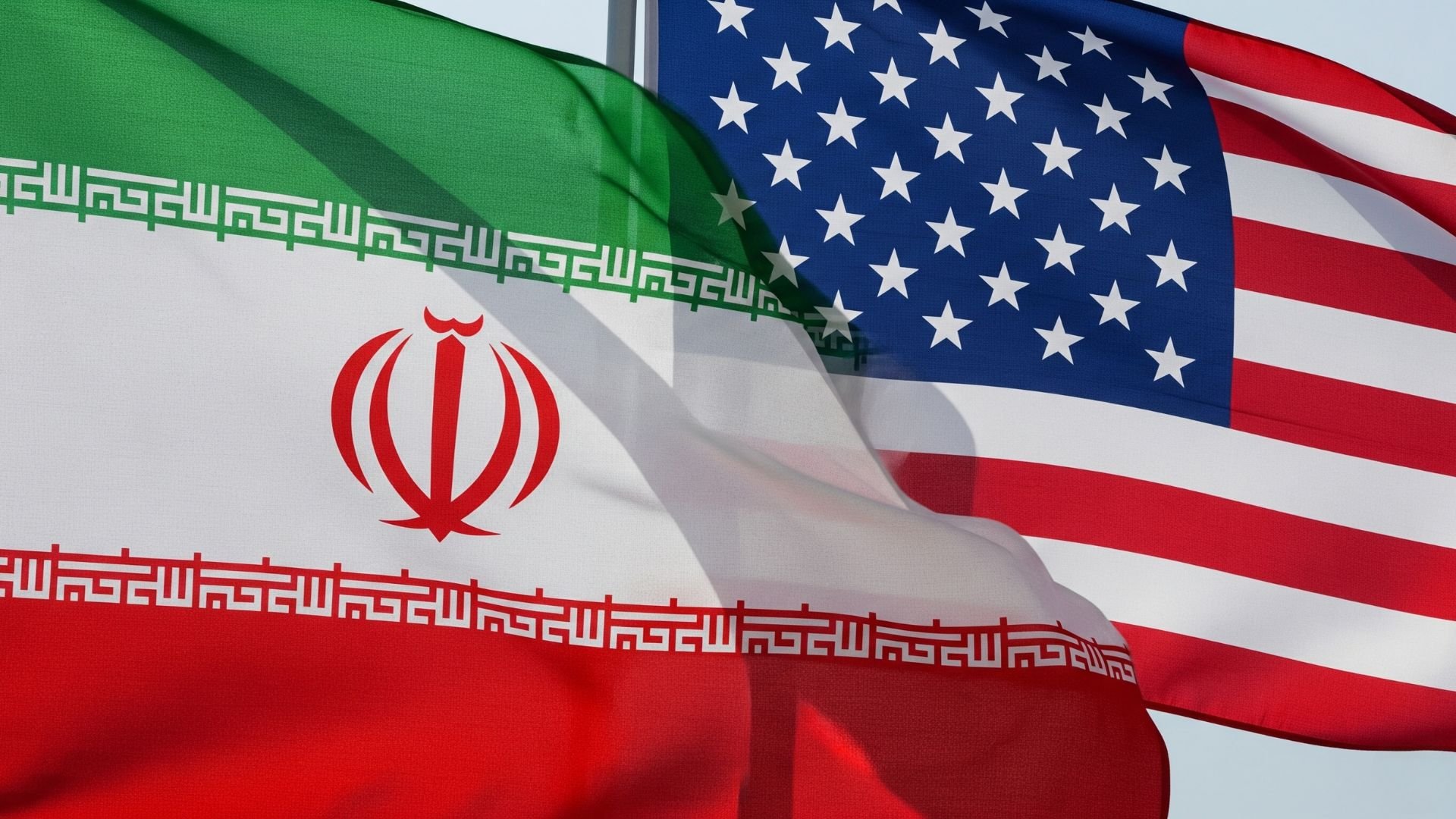
Price, depth and useful dates
An editorial view of the signal: what leads, how much activity is behind it, and which date carries the risk.
Archived market
What is happening now
Diplomatic activity between Washington and Tehran has accelerated over the past two weeks. Reuters reported on June 10, 2026 that U.S. envoys met with Iranian officials in Oman and that both sides are “exploring a framework” that could be signed before the U.S. midterm elections. On June 8, former President Donald Trump said the negotiations “are going well,” while the Wall Street Journal noted that gasoline has risen to $4.24 a gallon, adding pressure on the administration to secure a diplomatic win. At the same time, Iran’s chief military adviser told Al Jazeera on June 12 that talks are “deadlocked” and that any agreement must include the unfreezing of Iranian assets and a cease‑fire between Israel and Hezbollah. The mixed signals keep the market volatile, but the latest official statements from both governments suggest a willingness to move toward a written pact before the end of July.
How the market is structured
The Polymarket event titled “US and Iran sign an agreement by…?” aggregates four separate deadline markets (June 15, June 22, June 30, July 31). Each sub‑market offers a binary Yes or No outcome that resolves to Yes only if a written agreement is signed by the specified calendar date and both governments publicly confirm it. The primary market (June 15) currently assigns an 81.4 % probability to a “Yes” outcome (price $0.814), while the July 31 market leads with a 96.4 % probability (price $0.964). All four markets are active, tradeable, and share a common resolution source: official announcements from the U.S. and Iranian governments or a consensus of credible reporting.
Path to the leading outcome
The market’s current leader is the July 31 “Yes” contract. For this outcome to materialize, the following must occur before 11:59 PM ET on July 31, 2026:
- A written agreement is signed by an authorized U.S. representative and an authorized Iranian representative.
- The signed document (or equivalent electronic signature) must contain language that explicitly ends military hostilities between the two countries on a permanent basis.
- Either the United States or Iran must issue a clear public confirmation that the agreement has been definitively established.
Concrete triggers that would satisfy these conditions include a joint press conference, a signed treaty published on a government website, or an official statement from the White House or the Iranian Ministry of Foreign Affairs announcing the agreement’s execution.
What could change the pricing
Several near‑term events could shift the probability spread across the ladder:
- Early breakthrough – If a signing is announced for June 15 or June 22, the corresponding “Yes” contracts would surge, pulling probability mass from the later dates.
- Diplomatic stall – A public declaration by Iran’s military adviser that negotiations remain deadlocked, or a U.S. sanction‑relief delay, could depress the July 31 “Yes” price and raise the “No” spread.
- Legislative pressure – Should Republican midterm strategists conclude that a deal is essential before July 4, any failure to deliver could trigger a rapid re‑pricing toward “No” on all dates.
- External shock – An escalation in the Israel‑Hezbollah front or a sudden shift in oil market dynamics could force both sides to pause talks, impacting the market’s assessment of a July deadline.
Each of these catalysts is observable in real time through government releases, reputable news wires, or the Polymarket order‑book depth.
Editorial read
Polymarket’s date‑ladder reflects a market that increasingly believes a permanent U.S.–Iran agreement is inevitable before the end of July, assigning a 96.4 % probability to the July 31 “Yes” outcome. The high price is underpinned by tangible diplomatic momentum—high‑level talks, Trump’s public optimism, and economic pressure from $4‑plus gasoline—yet it is tempered by Iran’s stated preconditions and the risk of a deadlock. Volume across the ladder exceeds $1.1 million in the last 24 hours, with the July 31 contract holding the deepest liquidity, indicating that traders are willing to lock in near‑certainty at a premium. The structure suggests that the market perceives the later deadline as the safest bet, but any credible announcement of an earlier signing will instantly re‑weight probabilities toward the nearer dates. Consequently, the key watch‑points are official confirmation channels (White House statements, Iranian foreign ministry releases) and any shift in the public rhetoric of Iran’s military leadership. Until such confirmation arrives, the July 31 “Yes” remains the market’s leading outcome, priced at $0.964.
This analysis is provided for informational and editorial purposes only. Market signal prices reflect market-implied expectations, not verified outcomes or recommendations. Markets can be illiquid, volatile, and subject to ambiguous resolution criteria.