
Will Strait of Hormuz see 60+ ships daily by Aug 31?
This market will resolve to “Yes” if IMF Portwatch publishes a 7-day moving average of transit calls (“Arrivals of Ships”) for the Strait of Hormuz equal to or…
Strait of Hormuz traffic returns to normal by...?
Several deadline markets are grouped under one Polymarket event. Closed dates are archived; the live view focuses only on active deadlines.
Price, depth and useful dates
An editorial view of the signal: what leads, how much activity is behind it, and which date carries the risk.
Deadline map
What is happening now
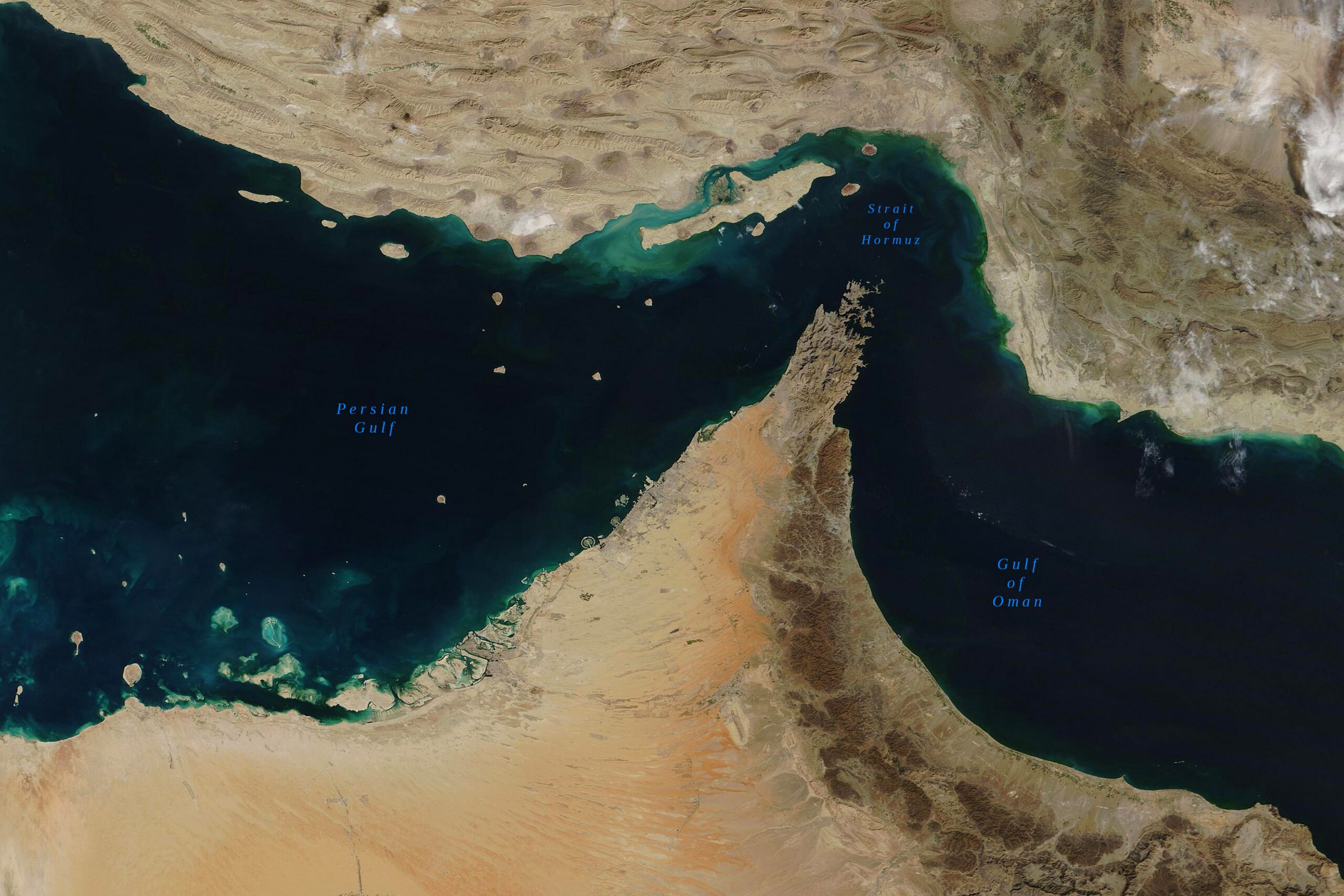
The Polymarket event “Strait of Hormuz traffic returns to normal by August 31?” hinges on whether the International Monetary Fund (IMF) Portwatch reports a 7-day moving average of ship transits through the Strait of Hormuz at or above 60 for any day between the market’s creation and August 31, 2026. The market currently favors “No” (85.5% probability), reflecting skepticism about sustained high traffic levels. The IMF Portwatch dataset, which tracks container, dry bulk, roll-on/roll-off, general cargo, and tanker ships, is the sole resolution source. Recent geopolitical tensions in the Middle East, including U.S.-Iran hostilities and regional instability, have likely influenced trader sentiment, though no definitive data yet confirms or rules out the threshold. The market remains open for trading until August 31, with resolution contingent on IMF data updates or a 14-day post-period grace period for final data publication.
How the market is structured
This is a **binary market** with two outcomes: “Yes” (traffic meets the threshold) and “No” (it does not). The “No” outcome leads at 85.5%, priced at $0.855, while “Yes” is at $0.145. The structure is straightforward: resolution depends on a single binary condition (threshold met or not), with no intermediate ranges or candidate options. The market’s design prioritizes clarity, with resolution tied strictly to IMF Portwatch data.
Path to the leading outcome
For “No” to resolve, the IMF Portwatch must publish no 7-day moving average of 60 or higher for any day up to August 31, 2026. This could occur if:
– Geopolitical tensions escalate, disrupting shipping routes (e.g., further U.S.-Iran conflicts or regional blockades).
– Economic sanctions or operational bottlenecks reduce vessel traffic.
– The IMF delays or fails to publish data for the final days of the period, triggering the 14-day grace period without a qualifying threshold.
The market’s resolution mechanics allow for data revisions within the timeframe, but post-August 31 revisions are excluded. If no qualifying data is published by the deadline, the market resolves “No” based on available information.
What could change the pricing
Pricing could shift if:
– **IMF Portwatch data** shows a 7-day average of 60+ for any day before August 31, triggering an early “Yes” resolution.
– **Geopolitical developments** (e.g., de-escalation of U.S.-Iran tensions, sanctions relief, or infrastructure investments) boost transit volumes.
– **Economic factors** (e.g., oil price fluctuations, global trade demand) indirectly impact shipping activity.
– **Data integrity issues** arise, though the market’s rules limit resolution delays to 3 days for clerical errors.
The market’s liquidity ($175,914) and volume ($254,178 in 24 hours) suggest active trading, but low “Yes” participation (14.5%) indicates limited optimism about meeting the threshold.
Editorial read
The market’s current pricing reflects a cautious outlook on Strait of Hormuz traffic, driven by geopolitical risks and historical volatility in the region. While the “No” outcome dominates, traders must monitor IMF Portwatch data closely, as even a single day meeting the 60-ship threshold would flip the result. The binary structure simplifies decision-making but amplifies sensitivity to data anomalies or delayed reporting. With over two months until resolution, the market’s trajectory will likely hinge on real-time geopolitical developments and the IMF’s transparency in publishing transit data. Investors should note that the market’s resolution mechanics prioritize IMF data integrity, making it a proxy for institutional reporting rather than independent analysis. As of now, the “No” side’s lead underscores market doubts about sustained normalcy in one of the world’s most strategically critical shipping chokepoints.
This analysis is provided for informational and editorial purposes only. Market signal prices reflect market-implied expectations, not verified outcomes or recommendations. Markets can be illiquid, volatile, and subject to ambiguous resolution criteria.