
Strait of Hormuz traffic returns to normal by October 31?
This market will resolve to “Yes” if IMF Portwatch publishes a 7-day moving average of transit calls (“Arrivals of Ships”) for the Strait of Hormuz equal to or…
Strait of Hormuz traffic returns to normal by October 31?
Strait of Hormuz traffic returns to normal by October 31?
Price, depth and useful dates
An editorial view of the signal: what leads, how much activity is behind it, and which date carries the risk.
Binary market
What is happening now
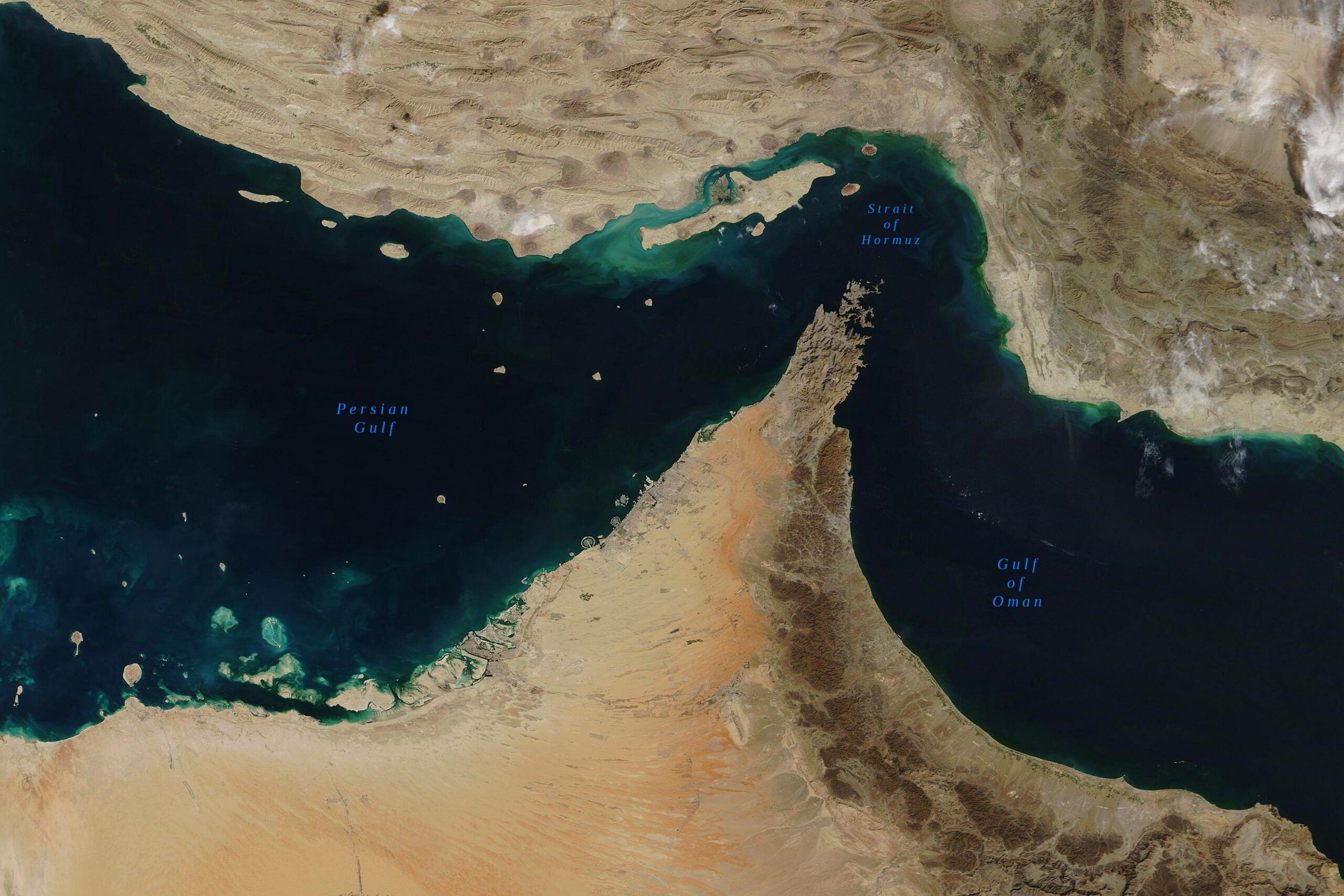
Strait of Hormuz traffic returns to normal by October 31? matters because the Strait of Hormuz is a chokepoint for energy shipping, insurance pricing, naval risk, and broader macro volatility.
Resolution detail: This market will resolve to “Yes” if IMF Portwatch publishes a 7-day moving average of transit calls (“Arrivals of Ships”) for the Strait of Hormuz equal to or above 60 for any date between market creation and October 31, 2026. Otherwise, this market will resolve to “No”. Daily transit calls include container, dry bulk, roll-on/roll-off, general cargo, and tanker ships. Ships not reported by IMF Portwatch will not be considered. This market will resolve as soon as IMF Portwatch publishes a 7-day moving average of transit calls equal to or…
How the market is structured
This is a binary market, so the practical question is whether the event satisfies the listed resolution criteria before the deadline. The current leading side is No leads near 99.1%.
Path to the leading outcome
The leading outcome would need observable shipping or official evidence consistent with the market rules: vessel traffic, maritime notices, reduced disruption, or confirmation that the specified condition has been met.
What could change the pricing
Pricing could reverse if disruption continues, military risk escalates, insurance or routing restrictions remain, or traffic data fails to meet the market threshold before expiry.
What to verify next
- AIS shipping flow through the Strait of Hormuz.
- Official maritime and naval advisories.
- Statements from Iran, the US, Gulf states, or shipping authorities.
- Oil price reaction and tanker insurance/routing changes.
Editorial read
For Strait of Hormuz traffic returns to normal by October 31?, the live imported prices currently show YES around 0.9% and NO around 99.1%. The useful reading is how that pricing sits beside $212.5K in 24-hour volume, $306.4K in visible liquidity, and $1.0M in open interest before the listed end date of Nov 1, 2026.
Hormuz markets can reprice quickly because the underlying evidence is partly observable in shipping data and partly driven by official security signals. Liquidity matters most when headlines and vessel data disagree.
This analysis is provided for informational and editorial purposes only. Market signal prices reflect market-implied expectations, not verified outcomes or recommendations. Markets can be illiquid, volatile, and subject to ambiguous resolution criteria.