Did CZ become more powerful after going to prison? A market paradox analyzed
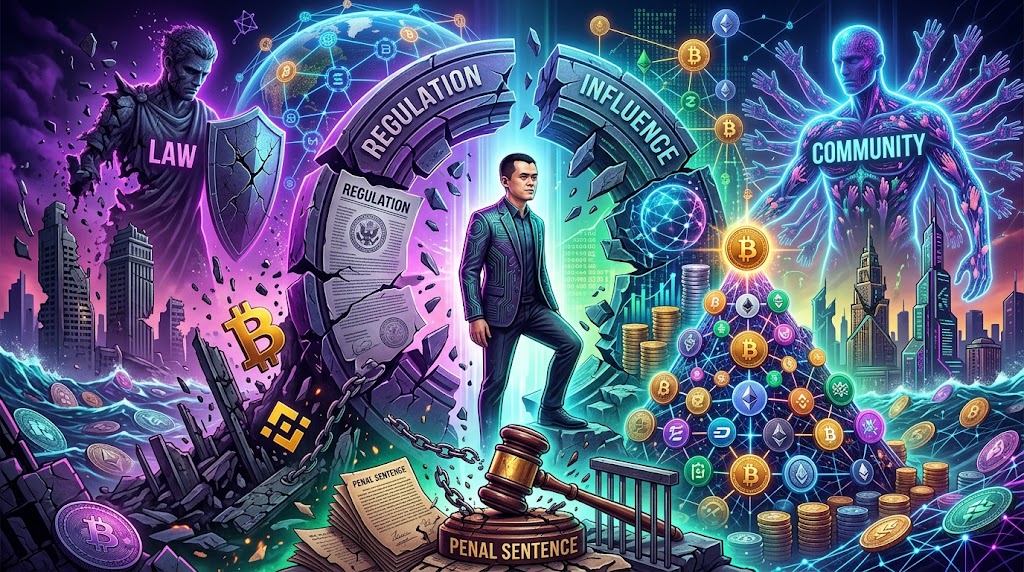
The prison sentence and the federal plea agreement initially suggested that the creator of the world’s largest exchange platform would lose his influence. However, the paradox of his release demonstrates that this conviction ultimately consolidated a structural power strategically.
This debate matters today because the market frequently assumes that criminal sentences destroy the political capital of corporate leaders. By regaining his freedom without the pressures of daily operational management, the founder observes the ecosystem from a position of legal invulnerability.
Regulatory Paradox and Wealth Control
To thoroughly understand this massive transformation, we must rigorously review the conditions of the government agreement. The payment of massive fines served strategically to settle American regulatory accusations and wipe the corporate operational slate entirely clean forever.
The financial impact of this penalty was easily absorbed by the sheer magnitude of the wealth retained by the founder. In fact, current data from the Forbes financial profile demonstrates that his personal fortune continues exceeding seventy billion dollars globally.
Maintaining majority shareholder control of the enterprise grants him an undeniable and absolute financial leverage. This structural separation allows him to dictate macroeconomic directions globally without having to subject himself to the exhausting daily scrutiny of institutional regulators.
Providing a comparative context, this case reflects the tactics of Wall Street figures who paid massive fines to protect their empires. A leader assumes individual criminal responsibility to shield the operational infrastructure and guarantee the continuity of the global business.
The case of Arthur Hayes and BitMEX perfectly illustrates this phenomenon. After stepping down from executive leadership, Hayes transformed into a respected macro investor, while his former company continued operating without fatal friction.
Operational Resilience Facing Scrutiny
The user confidence metric demonstrates that the market ignored the leadership change almost immediately. If we review the total value locked across decentralized platforms, we notice that retained capital securely surpasses seventy billion dollars globally after the transition.
The robust operational resilience illustrates that the underlying technological architecture ultimately matters far more than the appointed director. The infrastructure based on blockchain functions with an autonomous logic, minimizing the centralized risk associated with charismatic personalities.
The counterpoint argues that the loss of this aggressive leadership condemns to a bureaucratic stagnation the company in the long run. Those holding this view indicate that massive initial growth was a direct product of an audacity that current compliance managers will never replicate.
This opposing view holds valid foundations if we consider the restrictions imposed by the American federal government. Documents such as the public regulator complaint detail that the platform’s operations are being monitored under extremely strict standards, halting international expansion.
Operating constantly under this strict regulatory magnifying glass means intentionally sacrificing operational speed to guarantee long-term institutional survival. An independent compliance monitor meticulously reviewing transactions drastically reduces the maneuvering room previously used to aggressively dominate emerging markets.
The thesis regarding the consolidation of his power would be invalidated if the company progressively lost market share. A massive migration toward other platforms would demonstrate that success depended exclusively on maneuvers outside the established financial system.
However, the most current market data shows that the global ecosystem has successfully retained its vast institutional user base. The enforced regulatory compliance actively acted as a powerful catalyst for legitimacy, attracting investors who previously feared severe legal repercussions.
The implications of this structural change redefine leadership within the contemporary digital asset industry. Founders no longer need to direct daily operations; their influence is measured by the capital they control and the technologies they indirectly continue to finance.
As mainstream institutional adoption rapidly advances through newly approved financial vehicles based on Bitcoin, the traditional market demands impeccable corporate platforms. The penal sacrifice of the former director facilitated the exact image cleanup necessary for seamless macroeconomic integration.
Now, operating from the shadows of private capital, the entrepreneur enjoys pure economic power without the legal constraints that limited his discourse. His investment decisions and social media voice continue moving entire markets easily.
The ongoing case sets a fascinating precedent on how punitive regulatory sanctions often fail when attempting to permanently neutralize dominant actors. When massive fines become merely the cost of doing business, sanctioned figures emerge with even greater financial legitimacy.
The transformation from a rogue operator to a financial statesman with massive capital underscores an undeniable sectoral maturation. The ecosystem learned to separate personal risk from systemic risk, creating corporations strong enough to survive their creators.
If institutional trading volume remains stable and profitability metrics successfully absorb all compliance costs, the criminal conviction will go down in history as a highly successful strategic retirement. The multibillion-dollar payment will have bought definitive operational legitimacy.
The true measure of current corporate power does not lie in holding an executive title, but in the capacity to influence through capital allocation. This transition from operator to sovereign investor consolidates broader control over emerging industry projects.
Consequently, the institutional punishment dynamic ended up operating in favor of the founder’s interests. Freed from operational pressures, he now possesses the time and resources to shape the future digital economy from an unreachable strategic position for others.
This article is for informational purposes only and does not constitute financial advice.