
Clacton By-Election: Will Nigel Farage Win 70-80% of Votes?
A by-election for the United Kingdom parliamentary constituency of Clacton is expected to be held soon following the announced resignation of incumbent Nigel Farage. This market will resolve…
Clacton by-election: Nigel Farage Vote %
This is a threshold ladder. The useful signal is the implied range, not every single strike.
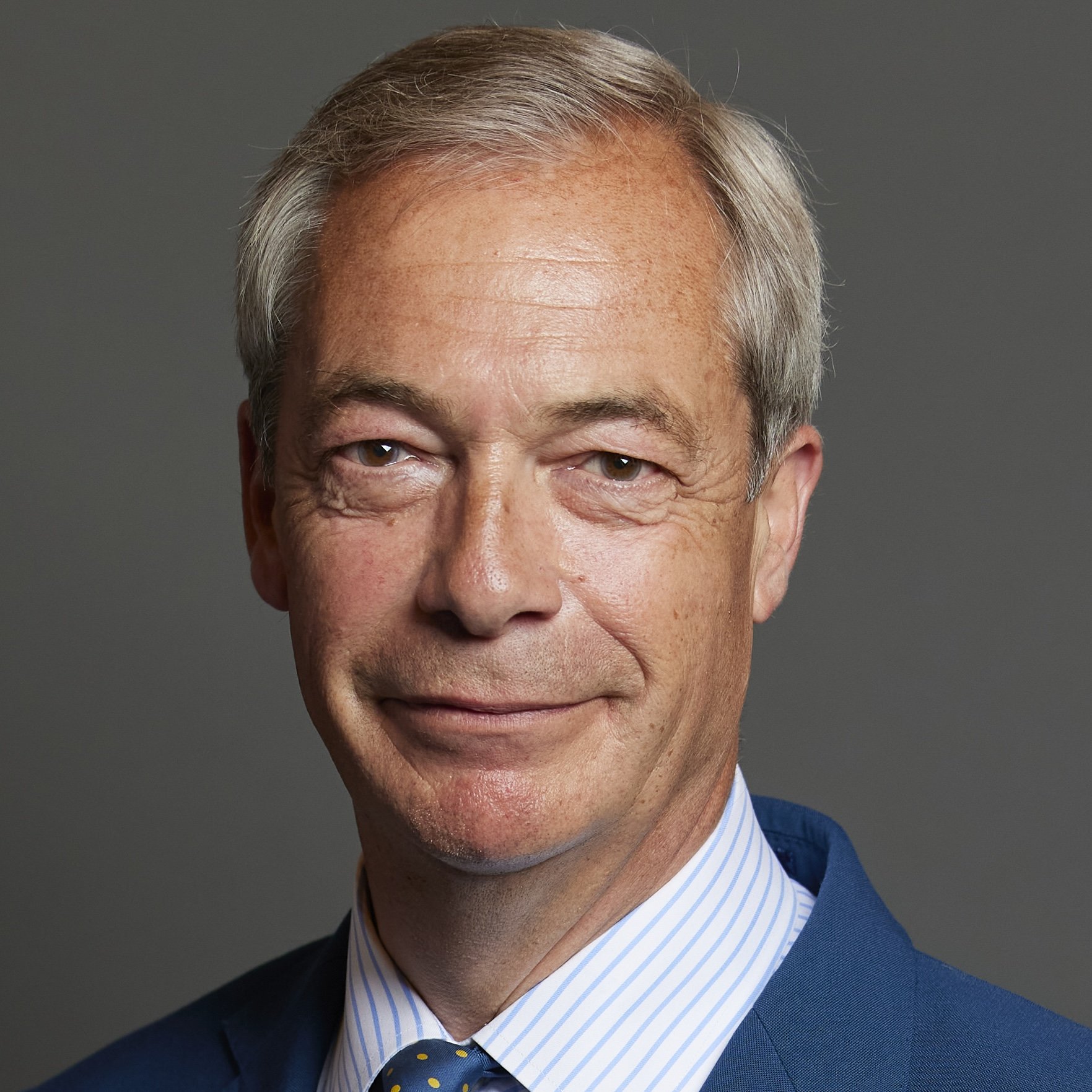
Price, depth and useful dates
An editorial view of the signal: what leads, how much activity is behind it, and which date carries the risk.
Price threshold range
What is happening now
The Clacton by-election market centers on whether Nigel Farage will secure less than 40% of valid votes in the upcoming UK parliamentary election. Farage, a prominent UK political figure, resigned from his seat, triggering the by-election. Polymarket users are pricing in a near-certain outcome: the “No” side (Farage <40%) is leading at 99.9% probability, with a yes price of $0.0015. This reflects strong market confidence that Farage will not fall below the 40% threshold. However, separate markets for higher vote shares (e.g., 80%+) show a 53.5% probability of "Yes," indicating some traders believe Farage could perform strongly, though not at the extreme 80%+ level.
How the market is structured
This is a binary market with two outcomes: “Yes” (Farage <40%) and "No" (Farage ≥40%). The market is structured as a threshold ladder, with additional markets for 40–50%, 50–60%, 60–70%, 70–80%, and 80%+ vote shares. The "No" outcome in the <40% market is the clear leader, while the 80%+ market is the only one where "Yes" is leading (53.5% probability). The resolution depends on official results from Tendring District Council and the UK Parliament by June 30, 2027.
Path to the leading outcome
The “No” outcome (Farage ≥40%) would resolve if Farage secures 40% or more of valid votes. This could occur if polls or early voting data show strong support for him, or if his campaign gains momentum. Conversely, the “Yes” outcome (Farage <40%) would require him to fall below 40%, which would need evidence of poor performance, low turnout, or opposition gains.
What could change the pricing
Key factors that could shift the market:
– **Polls or surveys**: If recent polls show Farage below 40%, the “Yes” price would rise.
– **Campaign developments**: A scandal, poor messaging, or low voter engagement could push “Yes” higher.
– **Official results**: If the election is delayed or canceled, the market would resolve to “No” (lowest bracket).
– **Market sentiment**: Large trades on the “Yes” side could temporarily increase its price, but the current 99.9% “No” probability suggests minimal movement.
Editorial read
The market is overwhelmingly priced in Farage securing 40% or more votes, with the “No” side at 99.9% probability. This reflects a lack of credible evidence suggesting he will underperform. While the 80%+ market shows a 53.5% “Yes” probability, this is an outlier and not directly tied to the <40% threshold. The structure of the market—binary for <40% vs. ≥40%—means the resolution hinges on a single threshold. Without recent polling or campaign data, the market’s current pricing is highly confident in "No." Any significant shift in public sentiment or official results could alter this, but as of now, the market signals near-certainty for Farage meeting or exceeding 40%.
This analysis is provided for informational and editorial purposes only. Market signal prices reflect market-implied expectations, not verified outcomes or recommendations. Markets can be illiquid, volatile, and subject to ambiguous resolution criteria.