
Key elements to include: Strait of Hormuz, traffic/transit calls, IMF Portwatch, 7-day m…
This market will resolve to “Yes” if IMF Portwatch publishes a 7-day moving average of transit calls (“Arrivals of Ships”) for the Strait of Hormuz equal to or…
Strait of Hormuz traffic returns to normal by September 15?
Strait of Hormuz traffic returns to normal by September 15?
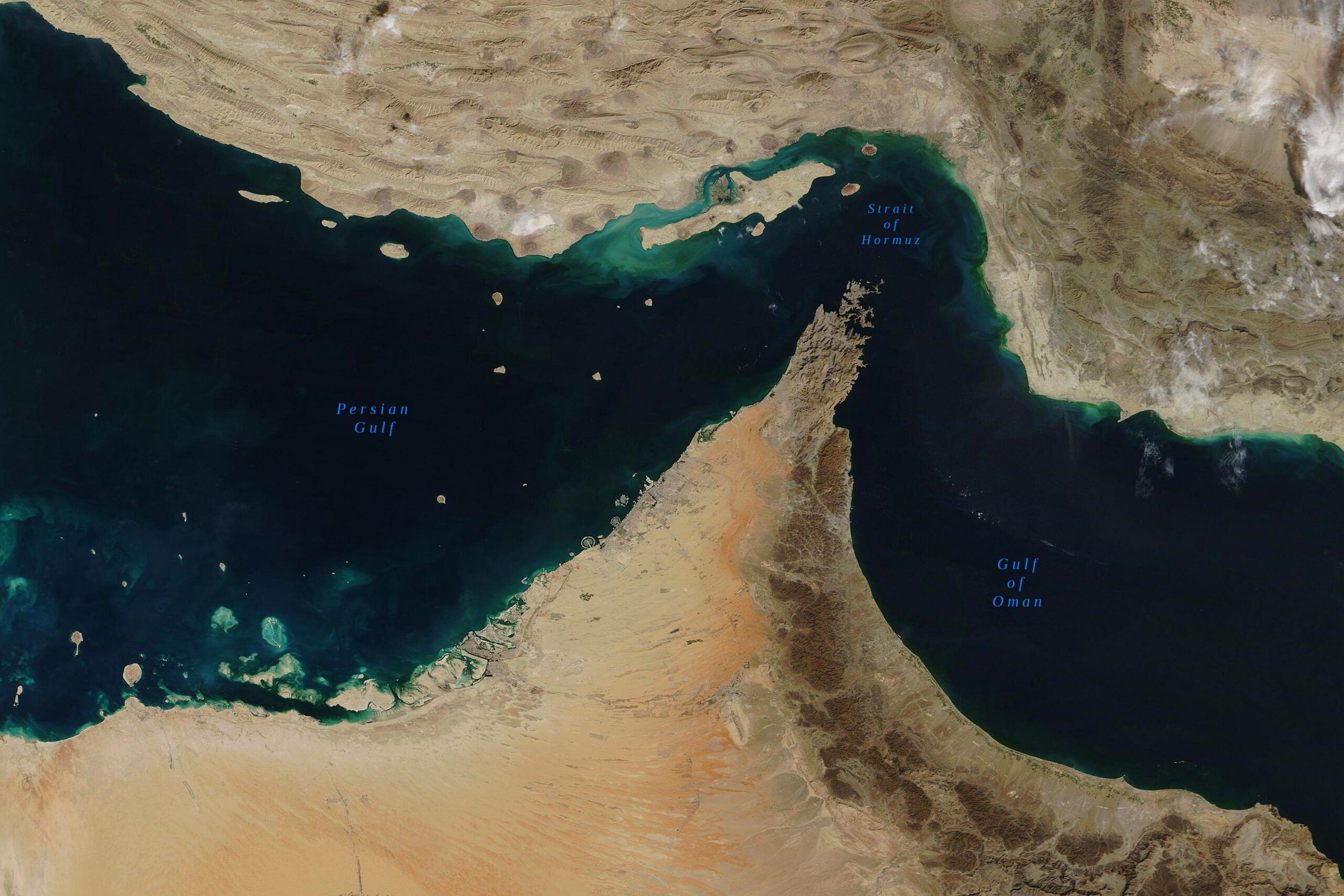
Price, depth and useful dates
An editorial view of the signal: what leads, how much activity is behind it, and which date carries the risk.
Binary market
What is happening now
With the resolution deadline just four days away, a Polymarket market asking whether Strait of Hormuz shipping traffic returns to normal by September 15 is priced as virtually certain to resolve No. IMF Portwatch tracks arrivals of container, dry bulk, roll-on/roll-off, general cargo, and tanker ships through the strait, and the market triggers only if a 7-day moving average of transit calls reaches 60 or higher on any date up to September 15. The current pricing — No at $0.9975, Yes at $0.0025 — indicates that traders expect the threshold to fall short despite the final days of data collection.
The market has drawn meaningful attention, with cumulative volume above $2.23 million, 24-hour volume near $356,000, and open interest around $718,000, suggesting the question is being traded as a real barometer of maritime recovery in the Persian Gulf rather than a curiosity contract.
How the market is structured
This is a binary, single-outcome event with two tradable sides: Yes and No. The resolution is data-driven and mechanical, tied entirely to the IMF Portwatch Strait of Hormuz transit-calls series at portwatch.imf.org. The market can resolve early if the 7-day average crosses 60 at any point before the deadline; otherwise it resolves after final-date data is published, with a 14-day grace window before a default resolution based on data available up to that point. Revisions to earlier data points within the window count, but post-deadline revisions do not.
The outcome board shows near-unanimous positioning: No at roughly 99.8% and Yes at 0.3%. Liquidity sits around $352,000, so large directional moves would still move the price meaningfully if fresh data arrived in the final days.
Path to the leading outcome
For No to resolve, the IMF Portwatch 7-day moving average must remain below 60 transit calls through the final data publication window. Given the price, this is the base case. The path requires no sudden influx of tanker or container transits — meaning continued disruption from any combination of geopolitical tension, insurance constraints, chokepoint risk premiums, or direct military activity in or near the strait.
For Yes to resolve, an unlikely reversal would be required: a measurable, sustained rebound in ship arrivals that lifts the rolling average above 60 before September 15. That would likely need a visible de-escalation event — such as a halt to naval interdiction, restoration of insurance corridors, or reopening of ports previously affected by conflict-related shipping disruptions in the Gulf.
What could change the pricing
The most direct catalyst would be an IMF Portwatch data release showing a sharp single-day or multi-day jump in transit calls, which would lift the 7-day average quickly given the rolling calculation. A sudden diplomatic de-escalation involving Persian Gulf stakeholders, or a visible reduction in naval activity near the strait, could precede such data and move the contract before the data itself catches up.
Conversely, any confirmation that tanker transits remain constrained — through insurance disputes, cargo diversions around the Cape of Good Hope, or continued military posture — would likely keep No pinned near its current level and could even draw additional volume into the contract as hedgers and geopolitical analysts take positions ahead of resolution.
Editorial read
Priced at 99.8% No four days before the September 15 cutoff, this market functions less as a speculation vehicle and more as a real-time, data-anchored read on whether Gulf maritime traffic has recovered from whatever disruption suppressed it. The high open interest relative to liquidity signals that the contract is being used to express a strong, well-informed view rather than traded casually. The resolution mechanics leave little room for ambiguity: the IMF Portwatch series will decide the outcome, and with the deadline imminent, only a genuinely sharp and sudden recovery in transit calls would flip the result. Until Portwatch publishes data reflecting a sustained rebound, the market’s near-unanimous No pricing is the clearest signal available that Hormuz traffic has not, as of the latest observable data, returned to normal.
This analysis is provided for informational and editorial purposes only. Market signal prices reflect market-implied expectations, not verified outcomes or recommendations. Markets can be illiquid, volatile, and subject to ambiguous resolution criteria.