
Will Kevin Warsh Usher in a New Era for Cryptocurrencies at the Fed?
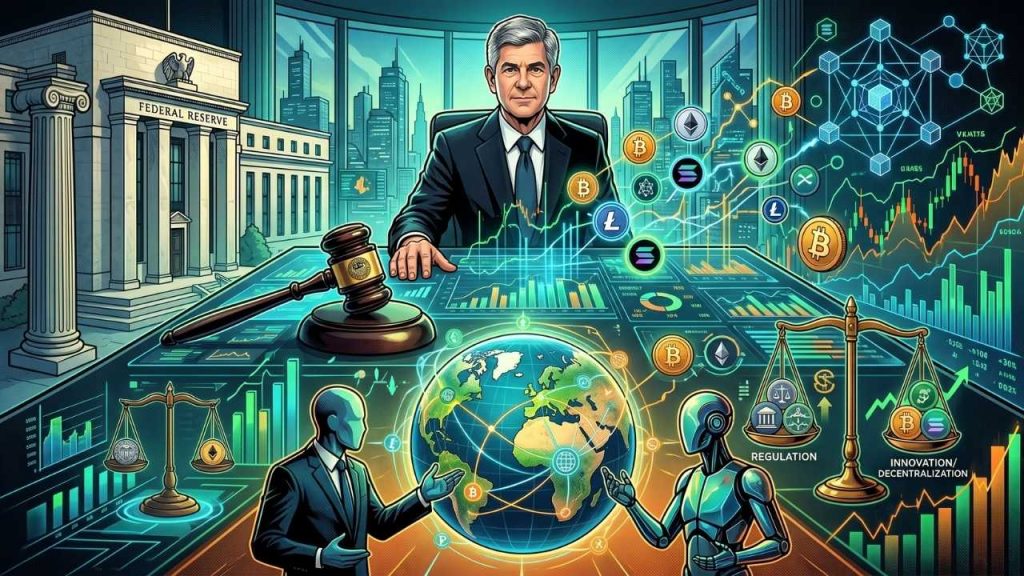
The confirmation of Kevin Warsh as Chairman of the Federal Reserve on May 13, 2026, establishes a new institutional era for cryptocurrencies. The Senate approved his nomination by a 54-45 margin, according to the official statement from Senator Fetterman. This historic milestone completely redefines the long-term American regulatory stance.
The dominant narrative anticipates a more pragmatic and clear regulatory path forward. Warsh represents the first leader with investments directly linked to digital assets, having disclosed previous venture capital holdings across multiple Web3 projects detailed in an official Banking Committee letter from the Senate in May 2026.
Financial disclosure documents confirmed his extensive indirect participation in protocols like Solana and dYdX through venture vehicles. Although he committed to divesting these positions before taking office, his technical understanding of decentralized architecture remains a critical asset.
This technological literacy arrives at a highly pivotal moment. Global digital asset adoption no longer depends solely on isolated rulebooks, but on how technologies scale within real economic activity, as explicitly described in the PwC global crypto regulation report published in early 2026.
The arrival of sympathetic officials accelerates debates surrounding strategic sovereign reserves. This structural evolution in the United States aligns perfectly with the global digital asset incentives analyzed in the genius act and sovereign game theory, where nations actively compete for decentralized financial supremacy and infrastructure.
During his formal confirmation hearings, Warsh explicitly labeled a retail central bank digital currency an incredibly bad policy choice. Instead, his regulatory approach appears to support the strategic development of regulated private stablecoins issued under a framework that successfully mitigates broader systemic economic vulnerabilities.
This perspective mirrors prior analytical research from the central institution itself. An official analysis published in a Federal Reserve research paper suggests that the widespread adoption of asset-backed stablecoins can be safely supported within the fractional banking system without disrupting traditional credit creation mechanisms.
A Shift Toward Technical Legitimacy and Market Reality
From a historical perspective, the Federal Reserve’s relationship with digital assets has been defined by deep structural skepticism. Under previous leadership, supervisory guidance severely restricted commercial banking institutions from engaging in crypto-related activities, citing operational complexities, persistent fraud risks, and extreme asset price volatility.
This restrictive approach was heavily defended as necessary to preserve traditional financial stability and consumer protection. However, it prevented domestic institutions from developing competitive native infrastructure, effectively pushing significant technological innovation and liquidity toward foreign jurisdictions with clearer, more flexible regulatory frameworks.
Warsh’s underlying philosophy represents a profound break from this defensive institutional paradigm. The new Chairman has publicly argued that Bitcoin serves as a useful signal for policymakers, accurately reflecting broader market confidence in central bank inflation management and long-term sovereign fiat currency stability.
Despite this progressive outlook, any regulatory intervention must be scrutinized critically by the industry. State-enforced frameworks, even under knowledgeable leadership, frequently introduce burdensome compliance mandates that stifle small-scale open-source developers while inadvertently consolidating authority within pre-existing Wall Street financial corporations.
Imposing rigid financial surveillance standards and reporting requirements on decentralized protocols directly contradicts the core principles of permissionless networks. Forcing blockchain architecture into legacy banking frameworks risks completely eliminating the innate structural efficiencies and financial inclusion advantages that originally inspired its global creation.
The Dilemma of Restrictive Policy and Counterpoint
The industry’s outlook is not universally optimistic, as a compelling analytical counterpoint exists. Warsh’s extensive tracking record reveals a deeply orthodox, inflation-hawkish bias. During his previous tenure as a Fed governor between 2006 and 2011, he consistently and vocally opposed aggressive quantitative easing programs.
This opposing view is highly valid because restrictive monetary policy systematically drains global market liquidity. Historically, elevated interest rates and aggressive central bank balance sheet reductions increase the cost of capital, making investors far less willing to allocate resources toward speculative assets like cryptocurrencies.
The optimistic thesis of a new supportive era would be completely invalidated if stubborn inflationary pressures force Warsh to prioritize extreme monetary tightening over regulatory modernization. If capital remains expensive, technical familiarity alone will not protect the digital market from broader macroeconomic contractions.
Medium-term implications point to an accelerated integration of institutional capital into the ecosystem. Clear guidelines regarding custody and stablecoin issuance could empower large asset managers and pension funds to structure diversified portfolios, effectively removing the legal ambiguities that previously halted meaningful corporate capital allocations.
Furthermore, reducing administrative friction within the United States will compel other economic zones to expedite their regulatory frameworks. Both Europe and Asia must compete aggressively to retain tech enterprises and capture expanding digital asset trading volumes.
The ongoing transition could also reshuffle the balance between centralized and decentralized finance. As official frameworks absorb stablecoins, decentralized applications that maintain permissionless liquidity pools will face mounting pressure to implement compliance layers, challenging the pure ideological autonomy cherished by early crypto adopters.
If the administration successfully balances macroeconomic discipline with private stablecoin issuance protection, the American digital asset ecosystem will experience a substantial surge in institutional liquidity and decentralized protocol adoption during the latter half of this decade.
This article is for informational purposes only and does not constitute financial advice.