Will cryptocurrencies transform the business model of the 2026 FIFA World Cup?
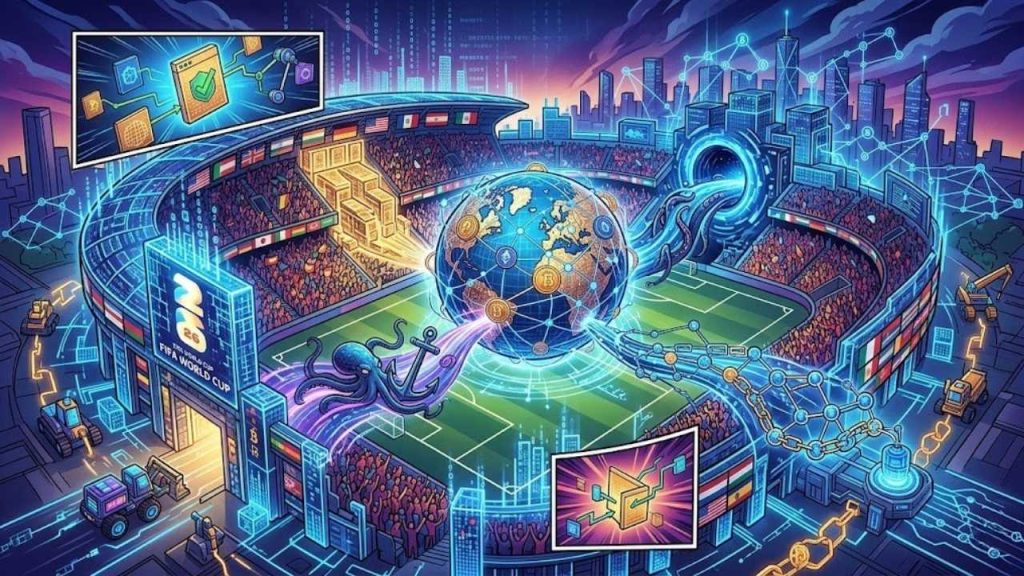
The 2026 FIFA World Cup marks the definitive transition point for decentralized technologies. The ecosystem is systematically abandoning marketing experiments to implement a global scale transactional infrastructure designed to fully support massive institutional participation during one of the most viewed sports events.
The dominant financial narrative considered sports alliances as mere passing advertising bubbles without underlying value. This perspective matters today because the unprecedented magnitude of the tournament demands highly robust systems capable of processing simultaneous global interactions for a massive audience of six billion international television viewers.
The recent official announcement published by Kraken details its strategic selection as the official cryptocurrency exchange platform for the event. The company will provide uninterrupted digital product experiences across the sixteen host cities located throughout North America during the championship.
This commercial alliance broadly transcends the simple exposure of a corporate logo in stadiums. The structural objective consists of connecting traditional sports fans with highly liquid markets, creating direct bridges to an alternative financial system that operates continuously without geographical borders.
Leading corporations established fundamental bases previously. Moderate impact experiments, such as when Crypto.com and Coca-Cola launched a collection of digital collectibles, empirically demonstrated the strong interest of the retail public in acquiring verifiable digital property through the use of immutable public blockchain networks.
The current adoption cycle requires prioritizing transactional utility over artificial scarcity. Beyond simple commercial exchanges, the underlying infrastructure of the sports ecosystem requires absolute precision. The technical report on sports oracles details how verifiable empirical data allows developers to automate various complex financial processes without requiring manual oversight.
The integration of decentralized oracle networks provides an immutable layer of truth for all sports statistics. This modern technological architecture allows developers to settle on-chain prediction markets, eliminating the severe risk that centralized intermediaries could alter or delay the publication of results.
The use of programmable smart contracts allows organizations to distribute instant payments based on player performance directly on the field. These decentralized operations completely eliminate the need to rely on traditional clearinghouses, drastically reducing the high transactional costs historically associated with cross-border international bank transfers.
Historical Evolution and Digital Loyalty Models
Historically, the different cycles of technological adoption within the massive sports industry were dominated by pure retail speculation. During the previous boom, multiple utility assets associated with football teams experienced extreme directional volatility that negatively affected the long-term confidence of traditional consumer markets worldwide.
A rigorous academic study on fan tokens conclusively demonstrates that these social interaction instruments suffered prolonged significant value drops when the initial fervor of the bull market finally disappeared, generating serious corporate questions about their long-term commercial structural viability within the global sports entertainment sector.
Objective data indicates that the most loyal retail investors frequently incur considerable financial losses when acquiring these digital assets over time. Therefore, the decentralized business model must obligatorily offer constant tangible rewards instead of relying exclusively on speculative price appreciation within secondary exchange markets.
The opposing view argues that deep cryptographic integration will inevitably fail due to the inherent complexity of web3 interfaces. Everyday entertainment consumers demand highly fluid operating systems, and current high technical barriers could easily generate a massive rejection by the general unbanked public looking for simple experiences.
This necessary technological counterpoint holds high validity when considering the growing operational fatigue regarding self-custody digital wallets. If platform developers fail to completely abstract the handling of underlying infrastructure, operational friction will nullify adoption that sponsoring companies heavily expect to achieve during the tournament.
Implications for Future Commercial Infrastructure
The commercial transformation thesis would be totally invalidated if active user participation in the new platforms is quantitatively lower than traditional loyalty program metrics. A remarkably low retention rate would unequivocally demonstrate that genuine demand for completely decentralized products remains a statistically marginal phenomenon in the sports sector.
Despite current market doubts, an extensive report on asset tokenization financially projects that the digitization of tools and corporate rewards will drive a massive technological adoption that will easily exceed trillions of dollars in total market capitalization towards the final years of the present decade.
This corporate transformation allows institutions to fractionalize the property of physical goods linked to professional sports, facilitating public access to alternative investment instruments. Users will comfortably negotiate economic participation rights backed directly by revenues generated during the extensive television broadcasts of every official match of the international tournament.
The huge international entertainment industry currently operates as a gigantic global testing laboratory. Digital registration mechanisms that successfully process the heavy transactional volume of the matches will undoubtedly serve as a template for future financial architectures across multiple competitive sports disciplines worldwide.
If the digital infrastructure deployed during the intense weeks of the event successfully processes daily financial transactions without reporting significant technical interruptions, large international sports federations will rapidly integrate immutable cryptographic protocols into their permanent commercial operations to heavily maximize spectator monetization.
This article is for informational purposes only and does not constitute financial advice.