
Decentralized AI Compute Has a Reliability Problem That Cheap GPUs Cannot Solve
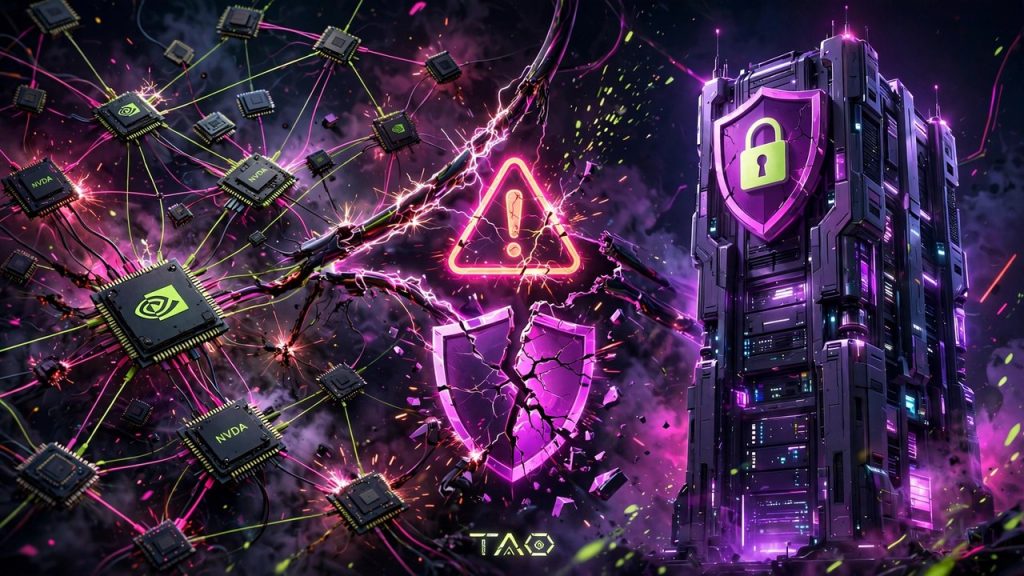
Decentralized compute marketplaces promise to democratize access to graphics processing units by offering hourly rates well below traditional cloud providers. However, corporate artificial intelligence deployments require enforceable service guarantees, such as the uptime commitments outlined in the AWS Compute Service Level Agreement.
The core premise driving decentralized physical infrastructure networks assumes that aggregating idle global hardware will steadily displace centralized data centers. Hourly price alone does not drive adoption, because an unexpected operational outage during model training generates financial losses that exceed hardware savings.
Enterprises integrating generative systems into mission-critical workflows prioritize operational continuity, predictable latency, and strict data isolation. Without legally enforceable remedies when nodes disconnect, discounted silicon remains an inadequate substitute for corporate technology officers managing production environments.
According to the Stanford HAI AI Index Report, corporate investment in artificial intelligence infrastructure reached tens of billions of dollars during the recent expansion cycle. This capital overwhelmingly flowed toward centralized cloud vendors capable of certifying regulatory compliance and redundant power infrastructure.
By contrast, token-incentivized protocols rely on geographically dispersed independent operators running heterogeneous hardware configurations over residential or semi-industrial connections. This architecture introduces performance variability and exposes computational workloads to sudden dropouts without meaningful legal recourse.
The Gap Between Cheap Silicon and Operational Continuity
During the enterprise cloud transition between 2006 and 2012, volunteer grid computing initiatives like SETI@home demonstrated massive aggregate processing capacity. Nevertheless, corporate buyers selected centralized providers because those vendors assumed legal and technical liability for data integrity.
Today, decentralized compute protocols face a comparable structural hurdle when pursuing institutional clients bound by strict governance mandates. The NIST AI Risk Management Framework establishes rigorous standards for traceability, confidentiality, and operational resilience that anonymous network nodes cannot easily audit.
Protecting proprietary model weights remains critical for corporations evaluating open, permissionless computing environments. When an enterprise transmits sensitive datasets to an external operator, it requires cryptographic or contractual certainty that the information cannot be intercepted or replicated.
While trusted execution environments and zero-knowledge proofs offer promising technical pathways, their implementation introduces substantial computational overhead and latency. That performance penalty directly erodes the cost advantage that open marketplaces rely upon to challenge established hyperscalers.
Some industry analyses argue that DePIN networks represent an inevitable infrastructure shift for AI by unbundling global hardware supply. That perspective accurately identifies supply chain bottlenecks, yet it underestimates the weight of fiduciary liability inside regulated industries.
To mitigate retail node instability, several protocols have begun requiring substantial collateral stakes and professional data center certifications. According to the Akash Network technical documentation, resource allocation operates through reverse auctions where providers compete on price and verifiable hardware attributes.
The Dilemma of Recentralizing to Win Enterprise Contracts
Proponents of decentralized compute viability contend that the artificial intelligence market is far from monolithic. Workloads such as open-source model inference, graphic rendering, and experimental fine-tuning tolerate occasional interruptions in exchange for substantially lower operating margins.
This counterargument holds clear economic validity within the segment of independent developers and early-stage startups facing tight capital constraints. For these builders, accessing high-end clusters without annual lock-in contracts or allocation waitlists provides a tangible operational advantage.
Furthermore, next-generation hardware releases could upgrade the specialized supply available across decentralized subnets. As explored regarding how Nvidia Rubin chips could boost Bittensor adoption, onboarding institutional data centers into tokenized networks raises the baseline reliability of available compute.
The hidden cost of open networks surfaces precisely when these protocols attempt to capture high-value enterprise contracts. Delivering 99.99% availability and immediate engineering support requires filtering out casual operators and concentrating workloads inside certified facilities.
By enforcing strict capital collateral, geographic restrictions, and physical facility audits, an open network begins replicating centralized control mechanisms. Without accountable intermediaries contracts fail, yet introducing guarantor entities dilutes the censorship resistance and permissionless ethos of the protocol.
This structural convergence suggests that decentralized compute networks risk evolving into commercial brokers for tier-two data centers. In that configuration, they would compete directly on thin financial margins against incumbents possessing superior economies of scale in power procurement and fiber networking.
The thesis presented here would be invalidated if open protocols achieve cryptographic inference verification with latency overhead below five percent. Similarly, sustained migration of Fortune 500 production workloads onto permissionless clusters would prove that cost savings outweigh operational risk.
If over the next twenty-four months more than seventy percent of active capacity across major decentralized compute protocols originates from certified institutional data centers, it will confirm that enterprise reliability requires abandoning pure retail node decentralization.
This article is for informational purposes and does not constitute financial advice.