
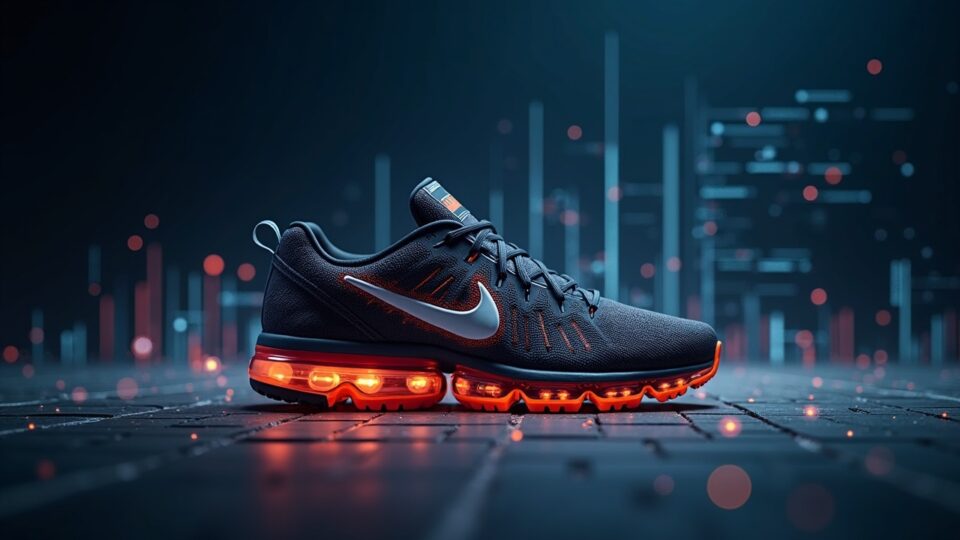
The sports giant Nike has finalized the sale of its RTFKT division, specialized in virtual products, following the cooling of the digital collectibles market. According to reports from The Oregonian, this strategic move marks the end of an era for the brand in the Web3 sector.
The decision was confirmed through an official statement where the firm described the transaction as a new chapter. Sports giant Nike has finalized the sale of its division due to new commercial goals. Marks the end of an era for the brand in the digital space.
The transaction took place on December 16, although the financial terms and the buyer remain under strict confidentiality for now. The sportswear brand decided to divest from its operating unit after announcing the cessation of its main activities at the end of last year.
It is important to remember that Nike acquired this firm in 2021, just as the fervor for digital assets reached its peak. Financial terms and the buyer remain under strict confidentiality to protect the agreement. Sportswear brand decided to divest from its operating unit to focus on athletes.
During its peak, RTFKT stood out for creating virtual footwear that sold for thousands of dollars among avant-garde enthusiasts and collectors. However, the change of course responds to a new corporate vision led by the company’s current CEO, Elliott Hill.
Nonetheless, the transition has not been without significant legal conflicts for the American footwear organization in court. In April 2025, a group of investors filed a class-action lawsuit alleging losses exceeding five million dollars. Change of course responds to a new corporate vision for the upcoming years. Transition has not been without significant legal conflicts for the sports company.
Nike’s retreat is not an isolated event within the technology industry applied to virtual goods and the digital collectibles market. Other relevant platforms have chosen to close their doors due to the drastic decrease in daily trading volumes.
Moreover, the saturation of the sector and the lack of liquidity have forced large corporations to rethink their investments in non-fungible assets. In this way, the company seeks to concentrate again on its competitive roots and its wholesale partnerships. Saturation of the sector and the lack of liquidity have affected many projects. Concentrate again on its competitive roots and its wholesale business model.
Returning to the sports essence in the face of virtual asset uncertainty
Under Hill’s leadership, the company has prioritized strengthening its core business of performance footwear and apparel for athletes worldwide. Furthermore, the current strategy seeks to regain the confidence of the traditional investor by focusing on tangible physical products and direct consumer experiences.
Therefore, the sale of the subsidiary represents a necessary adjustment to clean up the accounts and eliminate costly operational distractions. Current strategy seeks to regain the confidence of the traditional market investors. Corporate focus has shifted towards innovation in high quality materials and designs.
On the other hand, the Web3 sector is facing a purge period where only projects with real utility seem to have a chance. For which reason, the massive divestment in purely speculative assets has generated a domino effect affecting even the most established brands.
Nevertheless, Nike has chosen to maintain its digital presence only through strategic collaborations with renowned video game developers. Massive divestment in purely speculative assets has generated a major impact on firms. Model allows maintaining the link with young people without taking high financial risks.
Will large brands be able to regain user interest in virtual worlds?
Despite this tactical withdrawal, the organization ensures it will continue exploring virtual environments to offer innovative experiences in a controlled way. Also, the future of fashion in the metaverse will depend on the ability of companies to merge the physical with the digital.
In this way, the lessons learned during this cycle of euphoria will serve as a basis for more robust and sustainable technological developments. Future of fashion in the metaverse will depend on new creative digital strategies. Lessons learned during this cycle of euphoria will serve as a roadmap.
Finally, analysts are watching closely to see if other competitors in the textile sector will follow the steps of the “swoosh” brand. Consequently, financial stability and organic growth seem to be the new priorities in an increasingly demanding global economic environment.
Also, the definitive closing of this chapter with RTFKT symbolizes a realignment towards profitability and traditional brand value once again. Financial stability and organic growth seem to be the main goals for now. Company will announce new projects focused on sustainability and operational efficiency.
