
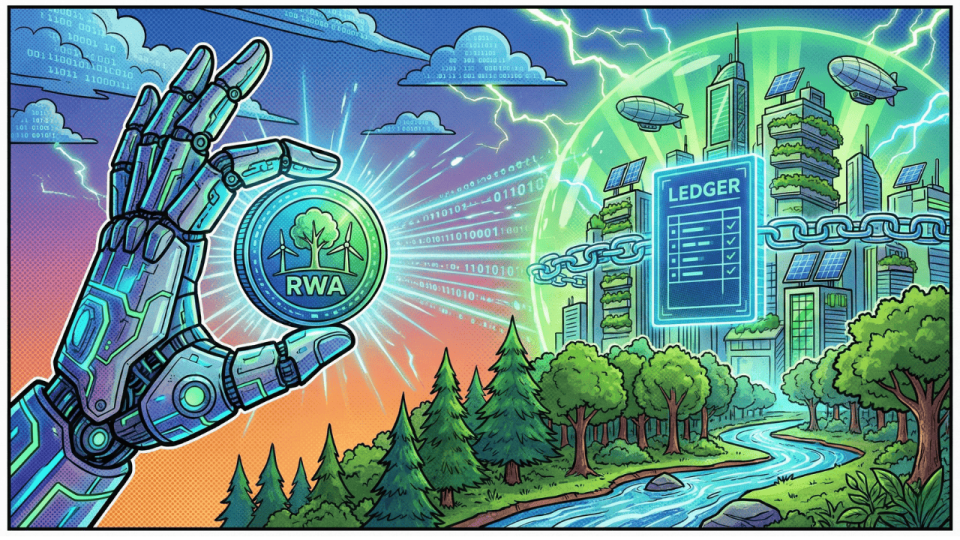
The financial landscape of 2026 has delivered a clear verdict: idle capital is lost capital. Over the last decade, traditional stablecoins like USDT or USDC fulfilled the vital function of offering shelter in the middle of the storm, but they did so at the cost of capturing the yield generated by the underlying reserves for themselves.
Today, that transfer of value from the user to the issuer is perceived as an anachronism. Capital efficiency now dictates that if a digital dollar is backed by sovereign debt, it is the token holder who should receive the interest. This transformation is not a technical whim but a logical evolution driven by the massive entry of corporate treasuries into the digital space.
The search for yield-bearing stablecoins has ceased to be a niche strategy to become the standard for asset management. The rise of Tokenized Treasury Bills represents the definitive fusion between the security of the most liquid debt in the world and the agility of blockchain rails. Yield is now sovereign and the market is voting with its liquidity flows.
The Exodus Toward Digitized Sovereign Debt
The migration of funds from first-generation stablecoins toward tokenized alternatives that accrue interest has reached a tipping point. The appeal is obvious: why hold an asset worth a dollar when you can hold one worth a dollar and generating an attractive annual organic return. Institutional liquidity prefers returns guaranteed by the U.S. Treasury over the operational risk of a private centralized issuer that keeps the margin.
According to capital flow data analyzed by the International Monetary Fund in its October 2025 stability report, the adoption of real-world assets (rwa) has mitigated certain volatility risks in decentralized networks. By integrating public debt instruments, defi protocols are building a much more robust valuation floor.
Financial stability is strengthened through the integration of traditional assets, reducing dependence on the internal speculation of the crypto ecosystem. It is not just about earning a few extra basis points; it is a matter of transparency and collateralization. Tokenized Treasury Bills allow for real-time auditing that traditional banking models simply cannot match.
Regulatory Momentum: The 2025 GENIUS Act
A determining factor in this explosion of adoption has been the U.S. legal framework. The passage of the GENIUS Act (Guiding and Establishing National Innovation for US Stablecoins Act) in June 2025 marked a turning point. This legislation not only legitimized the use of stablecoins but also mandated that a significant proportion of reserves be held in U.S. Treasury securities.
According to the European Systemic Risk Board (ESRB) report from late 2025, stablecoin capitalization reached $300 billion by September, driven by these measures that channel demand directly into the T-bill market.
This policy has transformed stablecoins into demand vehicles for U.S. debt, reinforcing the dollar’s dominance in the digital ecosystem. Real-time traceability eliminates doubts about reserve composition, a ghost that haunted the industry for years. Under this prism, the token is not just a representation of value but a direct participation contract in the benefits of the safest debt on the planet.
The Role of the Next-Generation Monetary System
The vision of international organizations has also evolved. The Bank for International Settlements (BIS) has proposed a system based on a “unified ledger” that integrates central bank reserves, commercial money, and tokenized government bonds. This trilogy is, according to the BIS, the next logical step to provide the financial system with unprecedented programmability.
Financial architecture is drastically simplified by eliminating custody layers that only added costs and friction. Unlike previous cycles, where yield came from the inflationary issuance of new tokens, the current flow is genuine and external. This has created an entry barrier for projects that cannot demonstrate tangible backing. Real value displaces purely speculative value, forcing issuers to rethink their business models.
Risks and Divergences: The Other Side of the Coin
Despite explosive growth, tension persists between the ease of use of conventional stablecoins and the compliance rigor of tokenized bills. The latter often require know your customer (kyc) processes that clash with many users’ philosophy of anonymity. However, institutional capital requires regulatory compliance to operate at scale, which has generated a market bifurcation between retail and corporate use.
Critics of this model suggest that the tokenization of sovereign debt reintroduces the risk of censorship and confiscation. While it is true that a tokenized bill can be frozen by court order, most treasurers prefer that known legal risk over the systemic risk of an un-audited stablecoin. Legal certainty now prevails over the utopia of total deregulation in institutional treasury management.
On the other hand, the interconnection between these assets and decentralized finance has created a new class of products: yield-bearing stables that act as aggregators. These protocols allow users to access Treasury bond yields without needing to manage the titles directly. The democratization of sovereign yield is perhaps the greatest achievement of this integration.
Probable Scenarios: Where is the Flow Heading?
Looking at projections for this year, it is clear that treasury bills are only the vanguard of a much broader wave that will include corporate bonds and private debt. The trend is irreversible because it solves the problem of liquidity fragmentation. Markets are becoming global and operating 24/7, eliminating the concept of “banking hours.”
According to the PwC Global Crypto Regulation Report 2026, this is the year of mass implementation, where tokenization pilots scale into daily-use regulated instruments. If inflows into these vehicles maintain their pace and regulatory clarity continues to expand, it is highly likely that tokenized bills will become the preferred collateral for the entire digital financial system.
The productive dollar will win against the static dollar. In this scenario, stablecoins that do not offer a share in the yield will be reduced to simple pass-through tools for fast transactions. We are witnessing the birth of a transparent reserve bank where profit is distributed equitably. The success of this narrative will depend on issuers’ ability to maintain parity and liquidity during times of stress.
