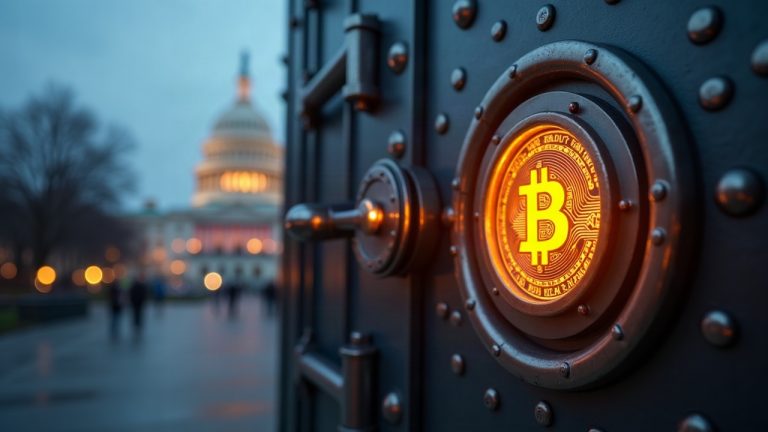
US Senate Agriculture Committee advances crypto market structure bill

The US Senate Agriculture Committee has marked a significant legislative milestone by approving the Digital Commodity Intermediaries Act (DCIA), designed to establish a formal framework for crypto regulation. Following months of intense negotiations, the committee voted 12-11 in favor of the proposal, which grants spot market oversight authority to the Commodity Futures Trading Commission (CFTC) for digital commodities.
During the January 29, 2026 session, lawmakers debated several amendments concerning ethics and national security, which were ultimately rejected along party lines. According to Senator Cory Booker, the primary objective must be to foster innovation without penalizing technical developers, emphasizing that Congress does not want to criminalize people who are writing code within the decentralized finance ecosystem and broader tech space.
Furthermore, the advancement of this bill responds to sustained industry pressure to move away from a regulatory model based solely on enforcement actions. Thus, the current push for crypto regulation aims to offer robust consumer protections, including listing standards and disclosure requirements, ensuring that this cryptocurrency and other digital assets operate under clear and predictable rules within United States territory.
The CFTC’s role and the unification of criteria with the Banking Committee
The approval of the project represents a critical step for the CFTC to assume authority over digital commodities, distinguishing them from traditional securities under the SEC’s jurisdiction. Therefore, crypto regulation now depends on merging this text with the Senate Banking Committee’s draft, a necessary process so the legislation can finally reach the full Senate floor for a definitive and binding vote.
Moreover, Committee Chair John Boozman highlighted that the proposed regulatory framework will allow American businesses to thrive in a secure and transparent environment. For this reason, the DCIA seeks to prevent capital and innovation from migrating to other jurisdictions with friendlier regulations, consolidating a crypto regulation that effectively balances investor protection with the technological dynamism of the private sector.
Will Congress manage to unify partisan visions before the final vote on the Senate floor?
On the other hand, committee Democrats have raised concerns regarding potential conflicts of interest and the CFTC’s leadership structure, which currently faces significant vacancies. Despite these differences, there is a general consensus on the urgency of establishing a crypto regulation that prevents systemic collapses similar to those seen in previous cycles, guaranteeing the secure custody of customer assets across all intermediaries.
Ultimately, the success of this legislative initiative will define the United States’ competitiveness in the global digital economy over the coming years. With backing from organizations like Stand With Crypto and the Crypto Council for Innovation, crypto regulation moves into its final drafting phase, promising an environment where operational transparency and technological innovation coexist for the benefit of all market participants and stakeholders.