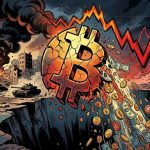
Crypto market rises to 2.42 trillion after Trump pause in Iran

On March 23, 2026, global capitalization reached $2.42 trillion following an announcement by Donald Trump. According to the Truth Social post published this Monday, a five-day pause in attacks on Iran was ordered. This event catalyzed the crypto market recovery from geopolitical tensions, reversing the aggressive losses suffered over the weekend by most digital assets.
The immediate price reversal originated after the elimination of the binary risk that dominated price action last Saturday. The digital asset market recovered 2.42 trillion dollars following the diplomatic truce. With a volume of 96.47 billion dollars, Bitcoin managed to reclaim the psychological level of 70,000 dollars, validating the strength of institutional demand across all major trading platforms.
Diplomatic relief injects immediate liquidity into a high volatility environment
Historically, geopolitical “black swan” events, such as the start of the conflict in Ukraine in 2022, caused massive and prolonged deleveraging. However, the current market structure shows superior resilience due to the depth of liquidity in derivatives markets. The speed of the rebound confirms that the drop was a transient geopolitical risk premium, rather than a fundamental change in the long-term bullish trend.
Ethereum led the sectoral recovery with a 4.60% increase in a single hour, reaching $2,140 and demonstrating its high sensitivity to risk. Ethereum’s sensitivity to macroeconomic changes once again surpassed the relative stability of Bitcoin. Meanwhile, the XRP ledger surpassed 7.7 million holders, setting a new milestone for network participation during the height of this global geopolitical crisis.
When observing the behavior of the total capitalization, it is clear that the support at 2.2 trillion dollars acted as an accumulation zone. This technical pattern reflects a rapid absorption of supply by large whale wallets. Unlike previous cycles, the integration of the global economy with digital assets allows news of international politics to dictate immediate capital flows.
Does this diplomatic respite represent a sustainable buying opportunity for investors?
The sustainability of this upward trend depends exclusively on whether the five-day window results in a permanent resolution or a mere delay. The fragility of the agreement keeps the market in a state of constant high alert. If conversations between the Department of War and Iranian authorities fail, the threat to energy infrastructure could reactivate the mass liquidation of risky assets worldwide.
The underlying blockchain infrastructure provides a transparency that traditional markets often lack during national security crises. The immutability of on-chain data allows for the verification of capital flow in real time. Given that volume remains robust above 96 billion, confidence in decentralized architecture has emerged stronger from this recent episode of international political instability.
Despite the temporary truce, the correlation between commodities and digital assets has narrowed significantly this quarter. Investors should monitor crude oil prices as a leading indicator of volatility. Any fluctuation in the energy sector will directly affect mining costs and, therefore, the selling pressure in the blockchain exchange markets in the very short term.
The market now enters a period of critical observation where every diplomatic signal will be scrutinized by high-frequency algorithms. The success of diplomacy will define the closing trend of the first quarter. Investors must monitor activity in whale addresses and changes in the funding rate, as these primary data points will anticipate the next directional movement before official statements.