Senate investigates Binance for 1.7 billion transfers linked to Iran and Russia
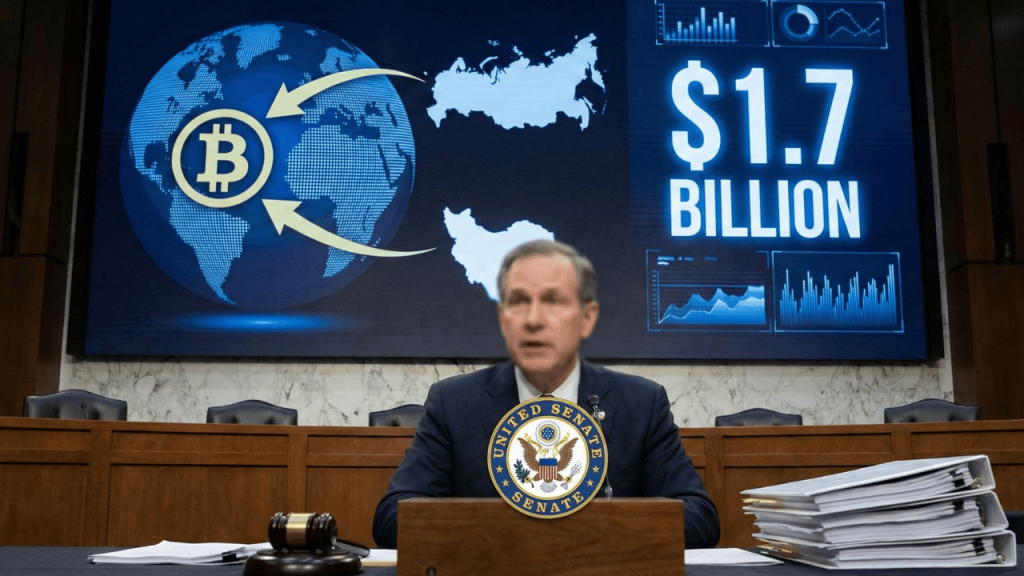
Senator Richard Blumenthal launched a Senate investigation into Binance after detecting alleged transactions totaling 1.7 billion dollars. According to the official release issued by the Permanent Subcommittee on Investigations, the platform facilitated operations linked to Iranian entities and the Russian oil fleet. This new legislative scrutiny calls into question the effectiveness of current controls at the world’s largest exchange.
The information request addressed to CEO Richard Teng demands internal records regarding compliance with international sanctions and verification protocols. Despite corporate efforts to clean up its institutional image, the lawmaker maintains that Binance ignored critical warning signs regarding money laundering activities. This action marks a new chapter of governmental pressure following the historic plea agreement reached during the year 2023.
Legislative oversight of illicit capital flows in Central Asia
Legislative researchers point directly to intermediaries such as Hexa Whale and Blessed Trust in evasion schemes involving the Iranian government. Technical reports detail that direct payments were allegedly processed for tanker crews transporting Russian crude oil sanctioned by Western powers. These revelations suggest a structural vulnerability in monitoring systems that the blockchain allows to be audited with unprecedented precision in today’s landscape.
The impact of these allegations transcends the previous fine, as it questions the oversight of the independent monitors appointed by the Department of Justice. Unlike the 2022 bear cycle, where operational opacity was the norm, the current scrutiny demands absolute transparency regarding the platform’s hot wallets. The correlation between geopolitical sanctions and digital assets has become a priority axis for United States national security.
Richard Teng has responded sharply to the allegations, calling the charges defamatory and demanding an immediate retraction from the media outlets involved. The executive defends his management by ensuring that exposure to high-risk jurisdictions has been reduced by 97% since January 2024. However, the discrepancy between the exchange’s internal data and Senate intelligence generates profound uncertainty.
Can Binance survive a second wave of Department of Justice sanctions?
Historically, platforms facing recurring investigations suffer a loss of institutional trust due to risk aversion among large investors. Since digital records are unalterable, the Subcommittee’s findings could lead to new civil or criminal actions against the company’s leadership. The global industry watches cautiously to see if this case represents an isolated incident or a persistent systemic failure over time.
It is essential to analyze whether current “Know Your Customer” (KYC) protocols are sufficient to detect the triangulation of international funds in real time. Current political pressure seeks to force a standardization of suspicious activity reports under the same parameters as the traditional banking system. This regulatory convergence is the greatest challenge the sector has faced since the collapse of major centralized protocols previously.
The company’s operational future now depends on its ability to prove that its compliance algorithms are infallible before the authorities. What to watch: the formal response to the Subcommittee and the upcoming reports from the independent external auditors imposed by federal regulators. The final resolution of this conflict will define the compliance standard for the entire digital finance ecosystem in the coming decade.