
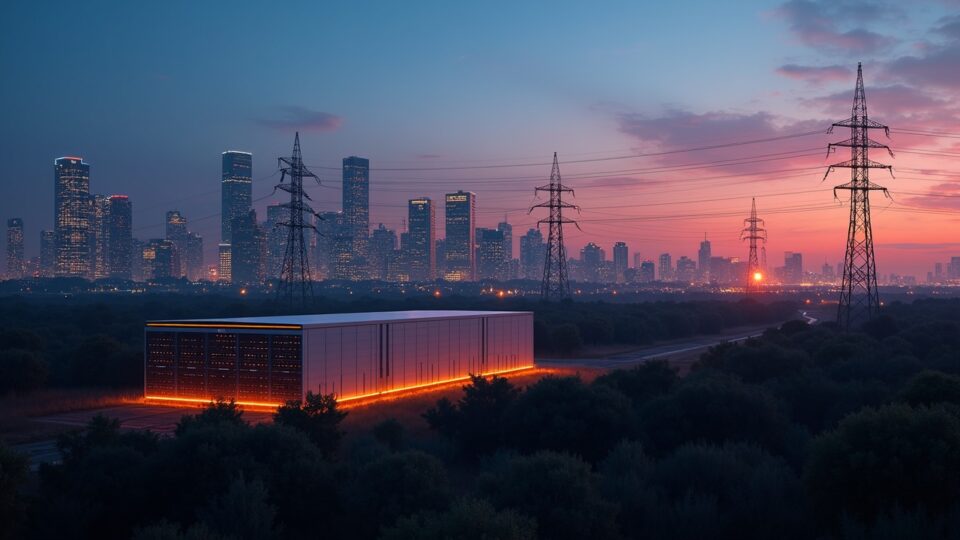
Texas emerges as the new epicenter of artificial intelligence-driven energy demand, according to the latest planning report from ERCOT. This regulatory entity confirmed that AI data centers now dominate large-load requests, displacing Bitcoin miners in the race for available electrical capacity in the state.
The Electric Reliability Council of Texas (ERCOT) reported that the interconnection queue for large loads has skyrocketed to 226 gigawatts recently. Of this massive figure, approximately 73% is directly linked to artificial intelligence facilities, representing a drastic shift in the state’s consumption profile. Developers have already filed 225 load requests this year, exceeding proposed generation capacity.
On the other hand, while there are 1,999 generation proposals totaling 432 GW, most are solar and battery projects. This situation creates a critical mismatch, as these renewable sources do not provide the constant 24-hour power required by intensive computing servers. The disparity between intermittent supply and continuous demand is setting the stage for future reliability challenges.
State regulators are racing against the clock to adapt regulations to this new reality of voracious and uninterrupted energy consumption. Rules are being developed to classify any customer requesting 75 MW or more as a “special handling” case. Additionally, ERCOT has doubled the number of transmission projects under review, attempting to strengthen infrastructure before the load exceeds the system’s operational capacity.
Will Texas infrastructure withstand the insatiable appetite of artificial intelligence?
It is fundamental to highlight the contrast between this current surge and the previous boom led by cryptocurrency operators. The Miner Mag report notes that, unlike the rigidity of AI, Bitcoin miners helped reinforce grid stability by curtailing operations during peak demand. This operational flexibility allowed the state to save approximately 18 billion dollars, according to recent studies.
However, the landscape is shifting rapidly as businesses seek to capitalize on the growing need for GPU capacity. Many digital asset operators are reallocating their existing infrastructure toward AI computing. A clear example is Mike Novogratz’s Galaxy, which secured million-dollar financing to convert its former Bitcoin mining site into a large-scale data center.
What consequences will this massive transition bring for long-term energy stability?
The transformation of the Texas power grid reflects a global trend where high-performance computing dictates energy priorities. As the load grows faster than reliable supply, the state faces unprecedented pressure to modernize its generation and transmission. Reliance on intermittent sources against constant demand could force more aggressive regulatory changes in the near future.
Integration of these data centers is expected to continue accelerating, forcing a complete reevaluation of resource planning. Energy and technology companies will need to collaborate closely to avoid blackouts and maintain the state’s competitiveness. The success of this transition will define if Texas can maintain its status as an energy leader while embracing the artificial intelligence revolution.
