
Energy tokenization redefines electricity market control: shifts pricing from monopolies to decentralized networks
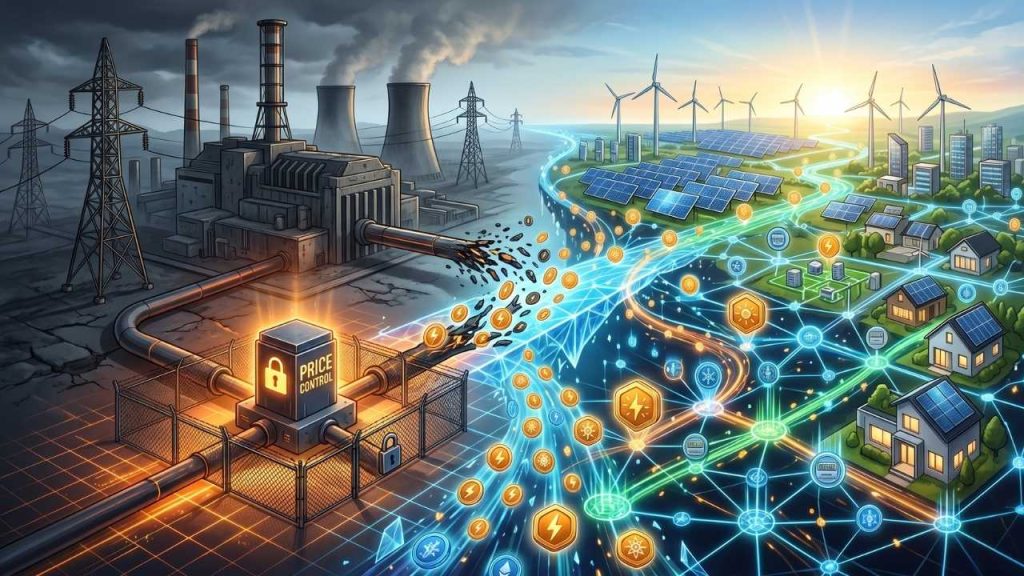
The debate surrounding energy tokenization as a comprehensive global financial mechanism hides a deeper struggle for distribution control. Transforming physical megawatts into liquid assets via smart contracts allows independent producers to bypass massive state bureaucracy. According to the International Energy Agency, corporate electricity consumption increased by a full thirty percent since January.
The centralized electrical model shows obvious structural flaws when facing extreme modern computational demand. Technical viability for this distributed model requires heavily asymmetric incentives to scale. Its value proposition consists of establishing an electrical grid based entirely on real-time offers, where idle energy flows instantly to zones offering better pricing.
Corporations are already positioning themselves strategically to capture this entirely new digital value stream. Watching how Cipher acquires wholesale capacity in the US market, institutional urgency to control massive energy infrastructure gets completely exposed. This corporate maneuver from the past week reveals that independent power generation constitutes a massive competitive advantage.
This transition requires analyzing institutional capital flow behavior through highly concrete and verifiable data. According to the latest ERCOT operational report, flexible loads within the state system increased by fourteen percent during the first quarter. Dynamic adaptation across the grid completely validates these new models proposed by digital assets.
The concept of money anchored directly to physical resources returns to the current macroeconomic debate. When Elon Musk proposes using digital assets as a fundamental store of value, he establishes a direct connection between computational power and capital. This specific proposal drastically alters traditional schemes of money issuance.
Decentralized infrastructure and its direct impact on wholesale prices
Energy tokenization allows fractional ownership of massive solar or wind farms among multiple global participants. Analyzing the official technical document from the Energy Web project, transactional overhead costs manage to drop by almost eighty percent. Creating efficient local exchange markets heavily democratizes open financial access.
If we compare this cycle with the failed direct commercialization attempts during the past year, current metrics evidence a profound technological maturation of the ecosystem. According to verifiable Department of Energy records, corporate electrical supply contracts steadily grew twenty-five percent annually.
This is exactly where distributed ledger technology or blockchain functions perfectly as an impartial system arbitrator. Reviewing the updated design specification sheets from Powerledger released in March, settlement periods plummet from thirty days down to five minutes. The massive increase in operational speed completely frees immobilized liquidity.
The massive benefit does not reside solely in selling excess supply to nearby district neighbors. Issuing financial derivatives on future production remains the definitive advantage, easily allowing the financing of new plant constructions. Traditional renewable energy certificates unfortunately suffer from extreme administrative friction.
Detractors fiercely argue that digitizing physical resources introduces catastrophic manipulation risks into essential basic services. According to a recent cybersecurity memorandum release published by the United States Federal Energy Regulatory Commission, attacks targeting distributed networks aggressively grew forty percent every month. This systemic vulnerability undoubtedly represents a massive challenge for adoption.
Is it truly feasible to protect consumers from automated volatility?
Those opposing these specific measures claim that delegating utility rates to algorithms will invariably harm retail consumers. Exposing residential homes to extreme algorithmic volatility generates severe tension, especially during winter or summer climate peaks. It remains incredibly valid to demand robust safeguards against financial speculation.
However, the conservative argument deliberately omits that users already absorb the heavy costs of a highly inefficient system. Maintaining this current model requires paying for enormous transmission losses, which historically inflate the final billing invoice. This strictly immutable data traceability effectively stops corporate billing abuses.
To thoroughly balance technical risk, software developers natively integrate emergency brakes directly into programmable grid contracts. According to the stabilization guideline framework from the National Renewable Energy Laboratory issued yesterday, heavily limiting hourly tariff oscillations financially protects average residential users. These algorithmic rules successfully prevent financial collapses during extreme weather.
The stubborn resistance from traditional companies stems directly from fearing the loss of their privileged middleman position. If private generation can be injected and charged completely immediately, the state monopoly role entirely loses its main justification. Democratizing the physical megawatt drastically reduces the power of corporate concessions.
Digital mining currently represents the clearest structural use case for this heavy algorithmic load balancing. Processing centers shut down their dense server equipment in seconds when grid pricing aggressively spikes. Intense operational flexibility successfully turns digital miners into massive economic batteries, cleanly absorbing excess electrical capacity during the night. Selling scheduled interruption rights consistently guarantees extremely strong cash flows.
According to a highly detailed technical report from the Mining Council released early this Monday, adjustable facilities reduced thirty million dollars in daily operational costs by shutting down systems during the most expensive hourly brackets. On-chain data logs register an extremely high correlation between grid congestion.
The net result of this fundamental transformation will be a significantly more resilient grid that remains highly complex to legally audit. The transition toward an autonomous machine economy advances very quickly, where intelligent solar devices interact commercially directly with remote servers. Institutional capital flows rapidly toward software protocols guaranteeing fluid energy liquidity.
If the daily traded volume across distributed wholesale markets surpasses one hundred million dollars for five consecutive quarters, the hard data will validate that distributed models defeated the monopoly. This historical event will forcefully compel regulators to rewrite their policies.
This article is strictly informative and does not constitute financial advice.