Travel asset tokenization solves the rigidity of the global tourism market structure
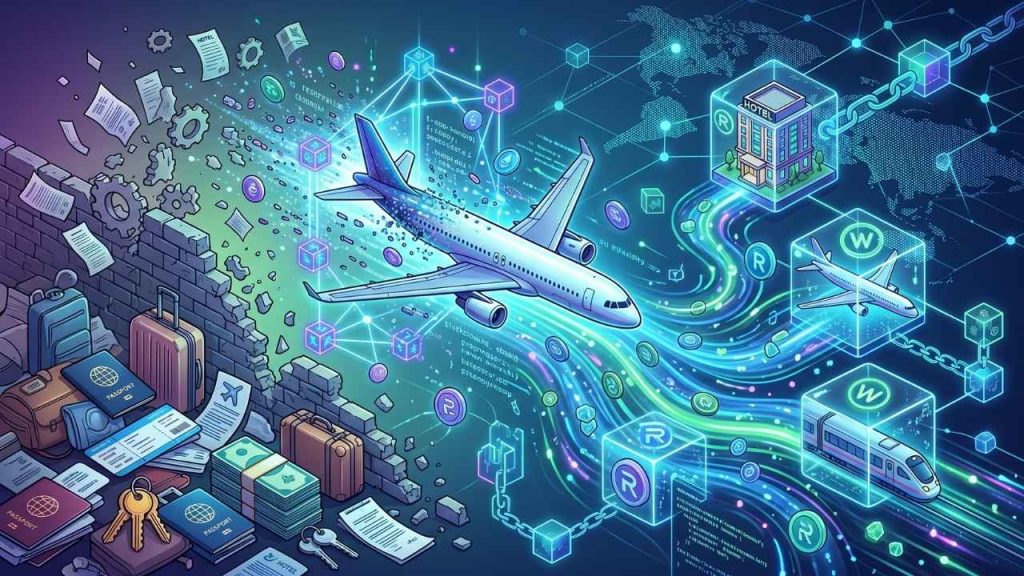
The travel asset tokenization represents a fundamental shift in the efficiency of the sector. This technology allows for converting hotel reservations into tradable assets on secondary markets. We argue that this innovation eliminates the financial rigidity of traditional cancellations, allowing users to recover capital without severe penalties imposed by intermediaries.
Digitalization is a priority for current sustainable growth. By integrating the blockchain into tourism infrastructure, operators can reduce operational costs by up to 20% through automated smart contracts. This is not just a technical improvement, but a reconfiguration of value.
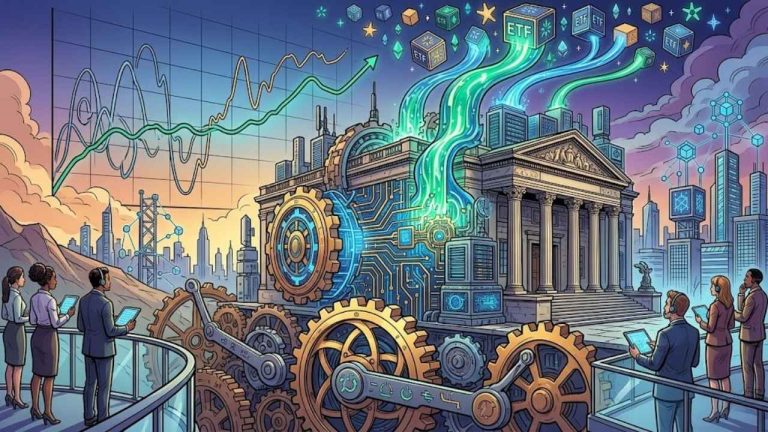
As seen with stock tokenization, travel assets are being fragmented to democratize access. This evolution allows small investors to participate in high-end fractional vacation ownership properties. Liquidity flows into sectors that were previously blocked by high institutional entry barriers.
Efficiency and liquidity in the tourism inventory
During the 1990s, global distribution systems centralized inventory management. However, that model lacked the flexibility that cryptographic protocols offer today. The distributed ledger technology overcomes the limitations of those closed databases. Compared to the 2021 cycle, the current infrastructure is robust and focused on real utility.
The Brickken Whitepaper details how asset standardization improves transparency. Currently, the Real World Assets market projects trillions in valuation. Linking travel with energy tokenization shows a trend toward the decentralization of global basic services coordinated by efficient public networks.
The creation of a secondary market for hotel nights is the differential block of this analysis. By turning a stay into a digital asset, the right of use is decoupled from the initial buyer’s identity. This resale capability protects hotel cash flow while granting unprecedented financial freedom for the contemporary global traveler.
A report from the OECD highlights that the fragmentation of tourism supply hinders competitiveness. The travel asset tokenization unifies these fragments into an interoperable layer. Hotels can issue their own digital assets directly to their most loyal customers, eliminating expensive travel agency commissions.
Smart contracts eliminate the need for manual reconciliations between multiple parties. This automation reduces the risk of billing errors and ensures that payments are distributed instantly. As in other sectors, the programmability of money transforms the experience of management for both small and large tourism providers.
Is total tourism disintermediation viable?
Some analysts from the World Bank warn about the technical complexity of these hybrid instruments. It is true that technological friction could scare the average tourist if processes are not simplified. Nevertheless, the benefit of immediate transfer of property rights outweighs the risks of a slow initial technological adoption.
The traditional industry argues that current systems are secure and known by everyone. However, data from the European Commission show a growing demand for personalized solutions. The resistance to change from large agencies could delay mass implementation, but it will not stop the advancement of open and transparent protocols.
The success of this model requires deep integration with digital identity. Without a legal framework that recognizes tokens as service titles, uncertainty will persist. The regulatory harmonization among different national jurisdictions is the greatest challenge facing this growing ecosystem. Value is present, but the legal structure must accompany progress.
Airlines could be the next to adopt this standard to manage their tickets. Imagine tickets that are liquid assets that can be traded in real-time. This extreme flexibility would change pricing dynamics across the entire industry. Users would have total control over travel plans and their financial resources.
If the volume of transactions in secondary hotel markets grows by 15% monthly during the next semester, tourism disintermediation will be irreversible. Validation will come from the integration of airlines into interoperability protocols that allow for universal ticket exchange through unalterable and secure digital records.
This article is informative and does not constitute financial advice. The implementation of these solutions depends on constantly evolving local legal frameworks. The security of funds must always be priority for any traveler exploring these new options. Final success will depend on user interface and operational simplicity.
The convergence of sectors shows that digital ownership is the standard of the near future. From energy to stocks, everything flows toward greater transparency and agility. The financial infrastructure is being rebuilt today to allow for a more connected world. Tourism is simply claiming its place in the digital economy.
Finally, user sovereignty over their assets will define the success of any platform. If tools are easy to use, adoption will be massive within a few years. The travel asset tokenization is not an option, but a logical evolution toward global efficiency that the market currently demands.